

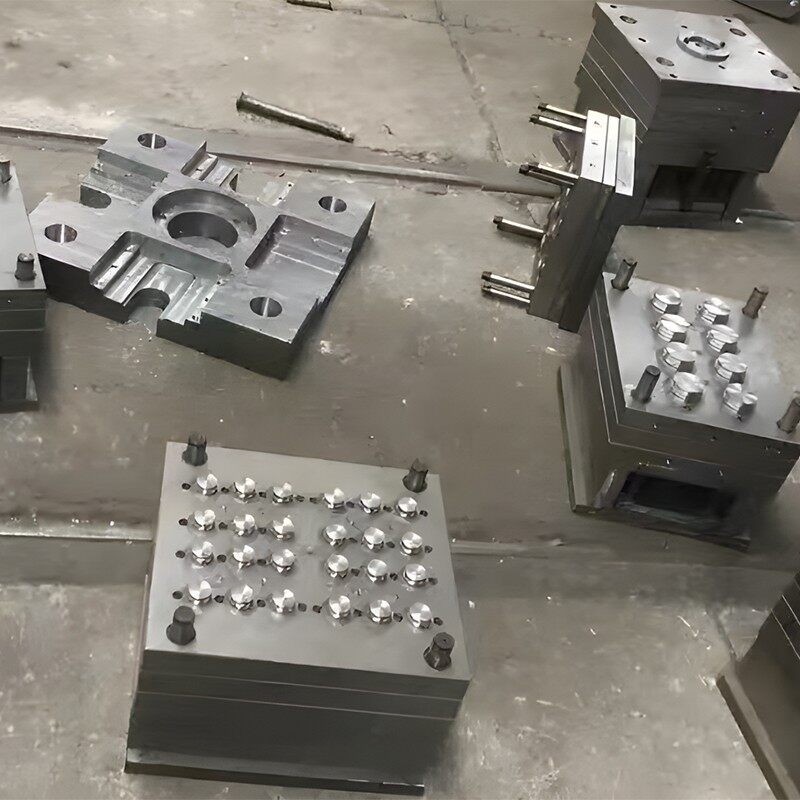
Flip Top Cap Mould
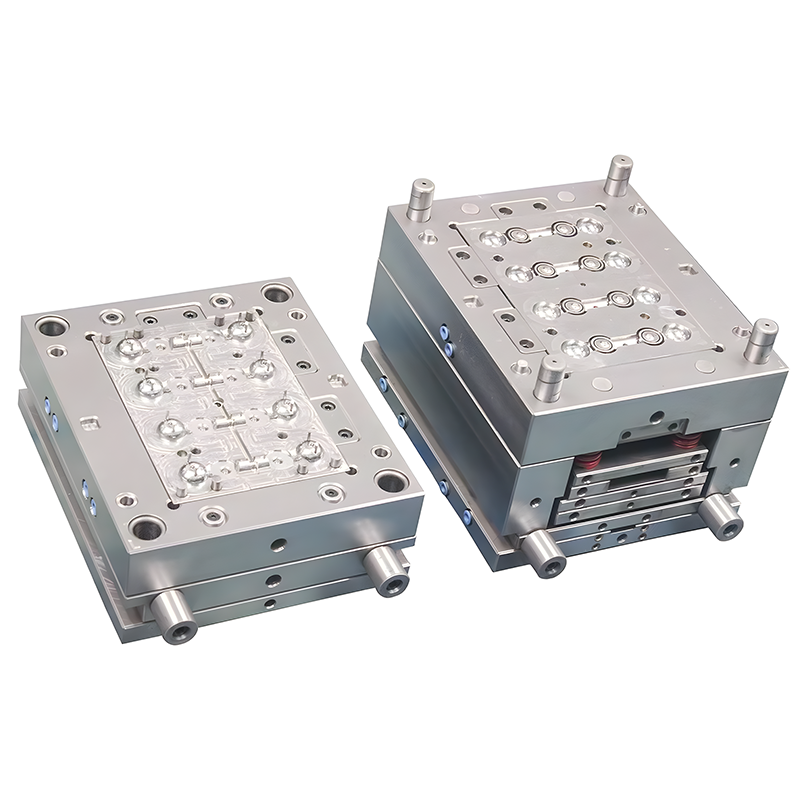
In the daily chemical and personal care industry, bottle caps are the "first touchpoint" for brands to interact with consumers. Our injection Flip Top Cap Mould is designed for this purpose-it is not just a production tool, but a solid guarantee of your brand's promise. We offer flexible mould solutions ranging from 8 to 48 cavities, increasing your production capacity while ensuring thread precision and sealing.
Injection production line downtime and product defect rates are the big killers of profits. Therefore, our mould cavities and cores are made of high-quality mould steels such as 718H and S136 mould steel, ensuring a mould life of over 1 million shooting cycles. If mould with more than 24 cavities utilizes advanced in-mould sealing technology, it saves labor costs and enables automation and efficient production. We are committed to providing more than just a mould; we offer a comprehensive packaging solution that reduces your overall costs and enhances your product competitiveness.
Application
Flip Top Cap Mould is widely used in packaging for the food and beverage, pharmaceutical and health product, cosmetics and personal care, and household chemicals industries. We can develop new products based on customer samples or through in-depth communication with customers, taking into account market trends.


The specific application scenarios for the flip top cap mould, as follows:
- Daily Chemicals: Flip-top jars for facial cleansers, shampoos, and conditioners;
- Food: Jar caps for sauces, jams, and beverages;
- Pharmaceuticals: Medicine bottles, child-safe opening caps, and hand sanitizers.
We can customize a matching mould and a complete solution for you. It is based on your product dimensions and weight, combined with your injection moulding machine injection volume, space between tie bars, and max mould thickness. We also consider market competition and the unit price of individual products.
Hinge Structure Design-Living Hinge Engineering
The hinge of a flip-top bottle cap is a weak point. If the hinge structure is poorly designed, it may appear good conditions during trial moulding, but repeated demoulding during high-speed mass production can easily lead to cracks in the hinge area.
The flip top cap mould design utilizes an integrated CAD/CAE/CAM process to complete filling, cooling, and shrinkage simulation analysis. This predicts stress distribution and potential risks in the hinge area. The gate location ensures that when the plasticized material flows through the hinge, the linear molecules bend along the main chain direction-incorrect flow direction easily leads to hinge breakage. The mould temperature is maintained consistently to avoid shortening the cap uselife. The hinge thickness is uniformly controlled between 0.25–0.4 mm, depending on the material, structure, and function. If the hinge is thick, it will be elastic and difficult to close. The stress concentration during bending will also easily lead to breakage. The wall thickness reduction transition area is achieved with a rounded transition, and the radius of curvature at the bend is ≥0.75 mm to prevent stress concentration.

Material Selection - 718H Pre-hardened mould Steel
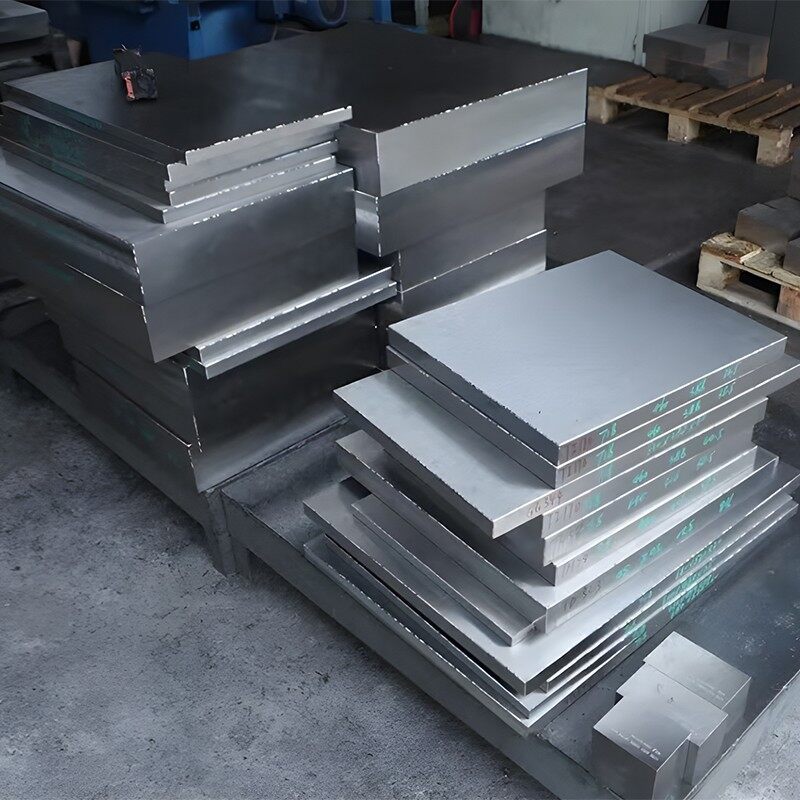
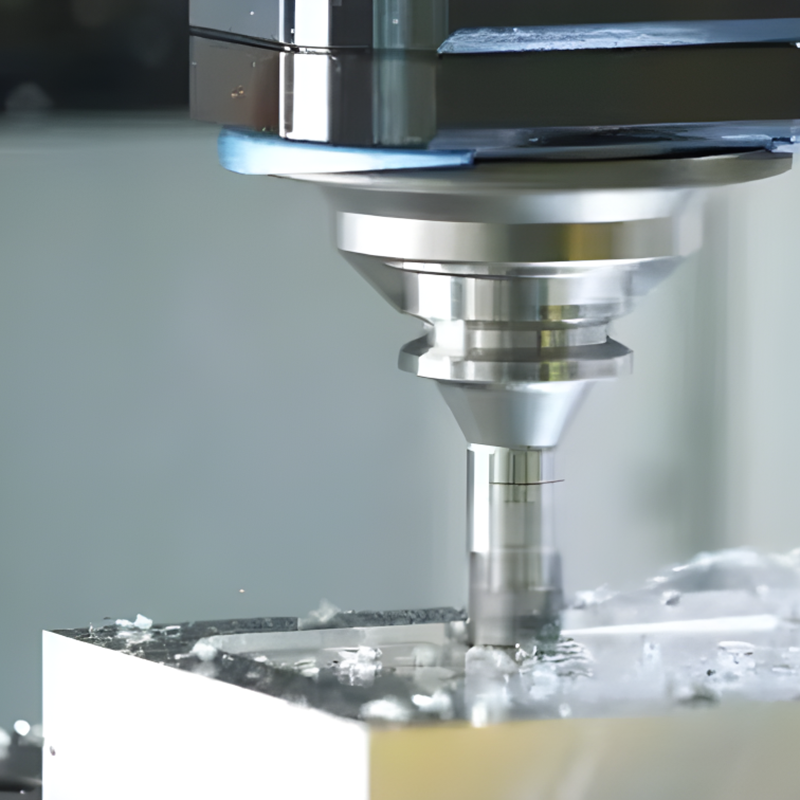
718H is a chromium-nickel-molybdenum alloy steel suitable for flip top cap mould requiring a high surface finish. It undergoes vacuum quenching treatment (33–38 HRC) to ensure high cleanliness and excellent uniformity, eliminating the risk of quenching cracks and deformation. Shipped in a pre-hardened state, it can be directly used for machining on boring machines and CNC machines, shortening the mould manufacturing cycle. The A/B main body of the mould uses ion nitriding technology to form a wear-resistant nitrided layer with a depth of 0.2~0.3 mm and a hardness of up to 52 HRC. The ejector tube uses salt bath nitriding technology, with a nitrided layer thickness of 0.2~0.3 mm and a hardness of up to 52 HRC. This achieves an optimal balance between wear resistance, polishability, and dimensional stability for 718H. Under long-term continuous high-volume injection moulding production conditions, this ensures mould life and product quality.

Venting Groove Design - Ensuring moulding Quality
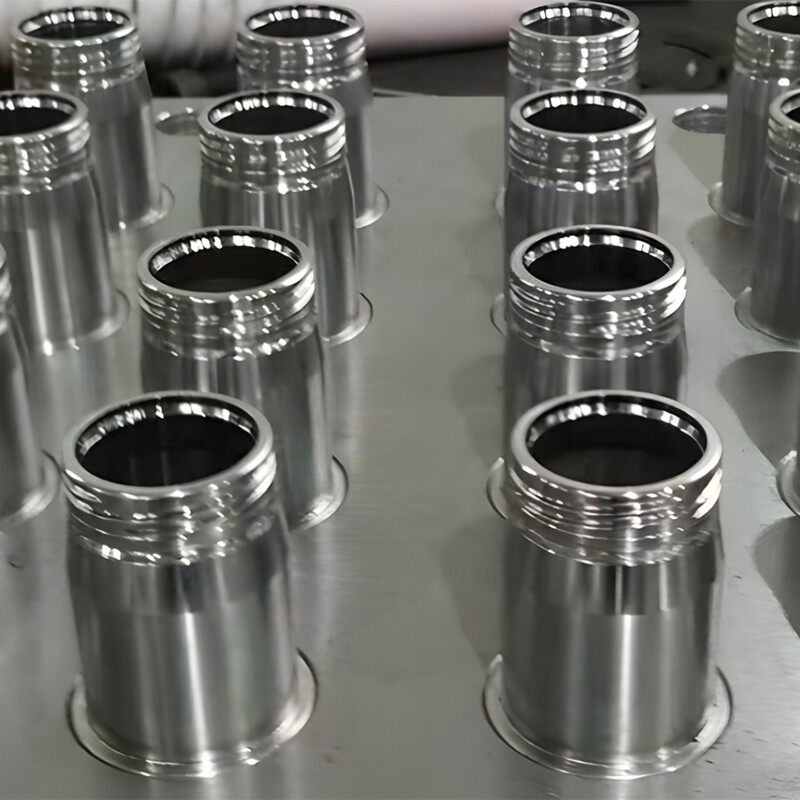
Flip top cap mould commonly uses high-flow-rate materials such as PP and PE, which are prone to scorching, weld lines, and material shortages after air trapping. Products may exhibit appearance defects such as bubbles, silver streaks, and dull luster. Our ejector robes are made of SKD61 material, and each ejector pin is machined with four 0.3~0.5mm venting grooves on its surface using a lathe or CNC machine. The depth of the venting grooves is precisely adjusted according to the material characteristics and cavity location. The venting grooves significantly reduce injection pressure, injection time, holding time, and clamping pressure. It makes cap injection moulding easier and reduces production costs and energy consumption.

Why do Customers Choose Cold Runner Systems?
The customer's existing injection moulding machine is a 100-ton machine manufactured in Taiwan, with a maximum mould thickness of 380mm. Its injection volume and space between tie bars are not an issue. However, an 8-cavity hot runner flip top cap mould requires an injection moulding machine with a maximum mould thickness of 450mm. Therefore, based on the customer's existing working conditions and production schedule, a cold runner 8-cavity mould with a mould thickness of 360mm was designed and customized for them.
Cold runner moulds are simple in structure, cost-effective, and easy to maintain, making them particularly suitable for small to medium batch flip-top production. The waste material generated from cold runners is crushed, cleaned, and dried. It can be used as primary recycled material, precisely mixed into production at a ratio of 15-20% to avoid hinge brittleness caused by high proportions of recycled material. While hot runners produce no waste material, adding large amounts of recycled material to reduce costs would sacrifice the structural integrity of the hinge.

Processing Center


Packaging & Shipping
Packaging: Export wooden crate packaging
Port: Ningbo, Shanghai, or the customer's designated receiving point
Transportation time: 3 days in Zhejiang and Shanghai areas, 7 days in Guangdong areas. Please inform us 7 days in advance before shipment.


FAQ
Q1: What are the common problems with flip top cap moulds?
A1: The most common problems in mass production are hinge cracking, flash, and seal failure. The root causes often lie in the early design of the mould, steel selection, and machining accuracy. Our solution is to mitigate these risks before mould processing by using 718H material, precision hinge design, and CAE simulation analysis.
Q2: Will cold runners cause material waste?
A2: Cold runners do generate runner material, but this material can be recycled and reused. The key is to control the proportion of recycled material to avoid high proportions affecting the mechanical properties of the hinge. Compared to the high cost and maintenance complexity of hot runners, cold runners with 24 cavities or less offer better overall cost-effectiveness in flip top cap moulds. For above 32 cavities mould or high-volume production, hot runner systems become more cost-effective despite higher initial investment
Q3: Why are hinges prone to breakage?
A: Hinge breakage usually stems from three reasons: improper hinge thickness (too thick results in high stress, too thin results in insufficient strength); improper gate location leading to incorrect molecular flow; and inconsistent mould temperature leading to uneven material properties. Our designs strictly adhere to hinge engineering principles and are verified in advance through CAE simulation.
Q4: What are the differences between 718H and other mould steels?
A4: 718H is a pre-hardened mould steel, arriving at its service hardness (33–38 HRC) without heat treatment. Compared to P20, 718H offers better polishability and wear resistance; compared to S136, 718H provides better value for money. For applications like flip top cap moulds that require high surface finish and long service life, 718H is the optimal balance.
Q5:What is the delivery time for the mould?
A5:45 days after receiving the product sample and confirming the order.
Q6: How can I confirm whether the mould meets the usage requirements?
A6: Before manufacturing the mold, the number and parameters of the mold cavities will be confirmed with the customer. Before mould delivery, tested samples will be mailed to the customer for confirmation.
Parameter
|
Neck size |
24mm/28mm/35mm/50mm etc |
Applicable raw materials |
PE (LDPE/HDPE)/PP |
|
A/B mouldplate material |
718H ((Pre-hardened: 33-38 HRC)/S136 |
Cavity |
Custom available upon request (8/16/24/32/48 cavities, etc.) |
|
Mould base |
P20 |
Moulding Simulation |
CAD/CAE/CAM |
|
Structure |
Cooled runner system/Hot runner system |
Processing technology |
Grinding, lathes, CNC machine, polishing, etc. |
|
Hinge thickness |
0.25-0.4mm (adjustable depending on plastic material) |
Mould life |
≥1 million shooting times |


