

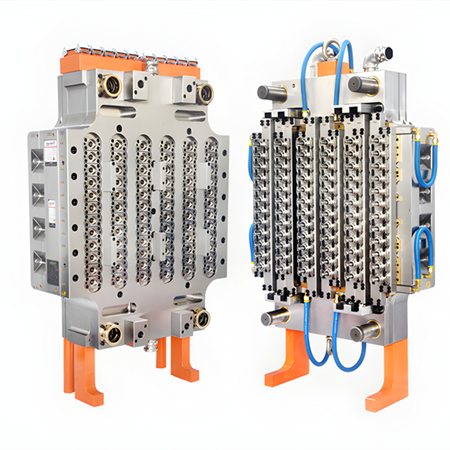
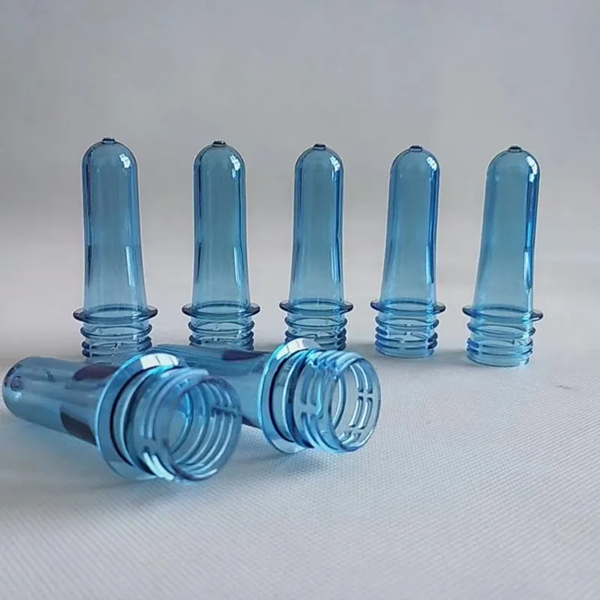
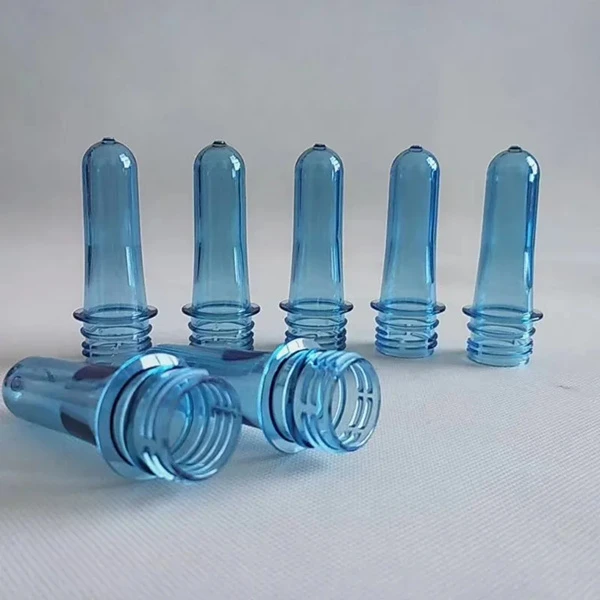
72-Cavity Pin-Valve Self-Locked Preform Mould
The global PET preform manufacturing landscape is locked in brutal, cutthroat price competition across Southeast Asia, the Middle East, and worldwide. Low-margin small and medium-sized production, volatile PET resin prices, surging labor and electricity bills, and outdated low-cavity moulds keep erasing factory profits.
How to gain a competitive advantage in the market? Our 72-Cavity Pin Valve Self-Locking Preform Mould is built to break market competition. To help PET preforms manufacturers outcompete rivals on both price and consistent quality. It can reduce costs in many ways, such as large-scale production, no runner waste, no gate residue, and lower energy consumption per unit product.
Four Core Advantages: PET resin consumption, labor cost, energy consumption, and downtime & maintenance loss.
Technical Specifications
| Parameter | Value | Parameter | Value |
| Brand | Younce | Preform consistency | 99.99% |
| Model | YC-PET-72 | Daily production capacity | Up to 0.39 million preforms |
| Mould type | PET preform injection mould | mould lifespan | ≥5 million cycles |
| Preform weight | 15g | Operating temperature range | 5°C - 40°C |
| Number of cavities | 72 | Compatible resin types | PET, SSP PET, rPET |
| Cavity type | Pin valve self-locked | Not recommended | Unfiltered high-impurity rPET |
| Structure | Hot runner system | rPET percentage | ≤15% |
| Mould base material | 4Cr13 | Injection moulding machine model | KPET1500 |
| Cavity/core material | AISI422 (632SS) | Mould size/weight | 1100*880*750mm/5600kg |
| Cycle time | 16s | Injection weight tolerance | ±0.5g per cavity |
Radical raw material savings to offset fluctuating PET costs
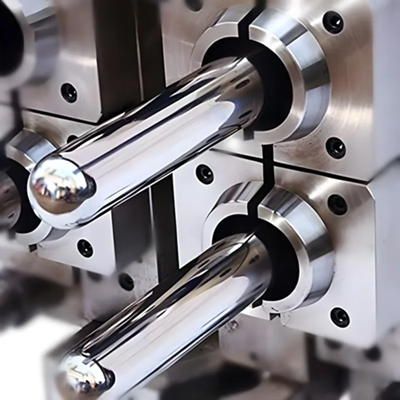
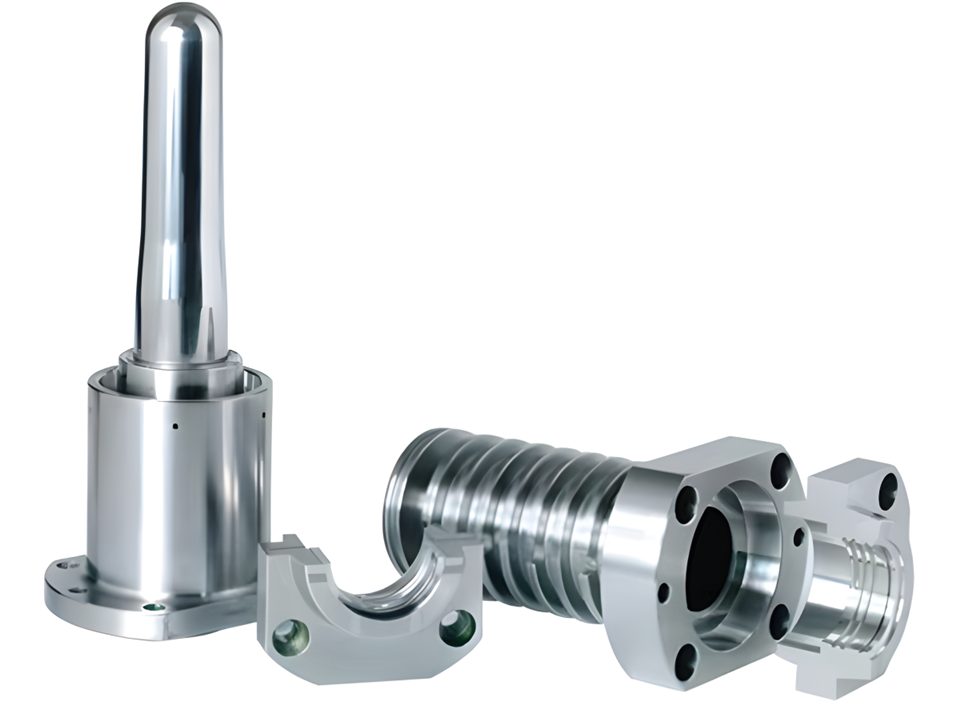
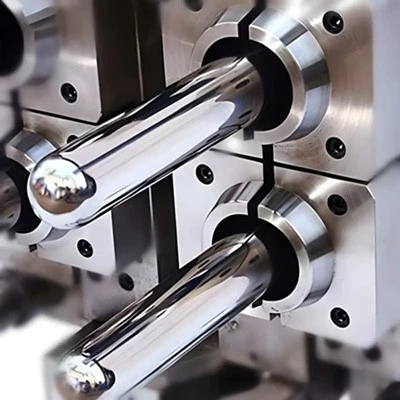
The proprietary pin valve self-locking mechanism eliminates PET preform whitening, threaded flash, bottom gate stringing, and uneven wall thickness that plague conventional hot runner moulds. The mold core/cavity is machined using a Mazak machine tool, and the concentricity of each cavity is controlled within ±0.03mm. It ensures stability even under 24/7 continuous operation. It ensures that the injection weight tolerance of each cavity is controlled within ±0.5g, eliminating the need to compensate for inconsistent wall thickness through over-injection. Per PET preform, it cuts resin waste by 0.15–0.2g; for a 12 million monthly output line, this translates to tons of PET saved monthly, neutralizing raw material inflation risks. Unlike traditional open gate designs, our self-locking pin valve gate produces smooth, trim-free preforms, eliminating post-processing steps.
Maximized improved machine efficiency to lower fixed unit costs
One set injection press paired with this 72-cavity mould yields 50% more preforms per injection cycle than a mainstream 48-cavity counterpart. Daily production capacity reaches up to 390,000 preforms. If an outdoor cooling system is installed on the mold, cycle time can be reduced by at least 50%, and daily output can reach 1 million preforms. Data is based on testing with a KPET1500 PET injection molding machine and an external water cooling system. It enables stable 24-hour continuous production with a standard cycle time of 16 seconds (without external cooling equipment). All fixed production costs-machine depreciation, mould maintenance, factory rent, and utility base load-are amortized across more finished products, driving down the fixed cost per PET preform. The optimized runner system ensures even filling of each cavity, eliminating short shots and uneven wall thickness. The mold is compatible with solid-phase polymerized (SSP) PET resin, and compared to conventional processes, it improves the crystallinity and transparency of the preform by 12%.
Minimized unplanned downtime & extend mould service life for lower long-term capital cost
Traditional high-cavity moulds suffer uneven thermal expansion and repeated pin valve drift under continuous operation, triggering frequent line stops for recalibration and component replacement. Our integrated self-locking structure can permanently stabilize the position of the pin valve. It eliminates unplanned downtime caused by coaxiality errors in PET preforms. This prevents PET preform injection moulding production line efficiency loss.The mould is paired with a balanced hot runner system. The 72 cavity pin-valve self-locked preform mould stabilizes each cavity temperature and material flow to ensure uniformity of preform quality. It suppresses defects such as bubbles and black spots, reducing rework, waste, and inspection workload.
Adapted to Southeast Asian Environments
Our mold designs are adapted to withstand the high temperatures and humidity of Southeast Asia. A custom-designed temperature control system maintains stable mold temperatures even in ambient temperatures above 35°C. The nano-coating for rust and corrosion protection extends mold life by 30% in humid coastal environments. All electrical and electronic components are rated to handle the unstable power supply environments common in regional manufacturing plants.
Case
Bangkok, Thailand Case Study
In 2025, we partnered with a leading Bangkok-based water/beverage manufacturer to replace their aging 48-cavity mould line. The client faced consistent issues with PET preform defects, low production efficiency, and high downtime during the peak summer months.
We deployed our 72-cavity pin valve self-locked preform mould, with full on-site installation and training. Within 3 months:
- Preform defect rate dropped from 0.5% to 0.08%
- Daily production capacity increased by 58%, meeting the client's peak seasonal demand
- Unplanned downtime fell by 92%, as the self-locked system eliminated manual adjustment needs
The client now uses the mould for 12oz and 20oz beverage bottle preforms, with zero flash or leakage issues across more than 850,000 mould cycles.

Ho Chi Minh City, Vietnam Case Study
A fast-growing packaging manufacturer in Ho Chi Minh City needed to scale production for water packaging. They required a mould that could deliver consistent, food-grade preforms at high volume, with strict quality compliance.
We delivered 2 sets of our 72-cavity moulds. After 6 months of operation:
- Combined line output reached 2.4 million preforms per day, supporting the client's 30% annual growth target
- Preform wall thickness consistency improved by 40%, passing strict international brand quality audits
- The mould maintained stable performance during the city's rainy season, with no corrosion or temperature fluctuation issues
- The client reduced resin waste by 8%.Thanks to the precise pin valve control system
This deployment has become a benchmark for high-volume PET preform production in Vietnam's packaging industry.

Why Choose Our 72-Cavity Preform Mould?
This mould is not just a production tool. It is also a complete solution for achieving stable, high-quality, and high-efficiency PET preform production. Our optimized pin valve self-locking technology solves the core pain points of traditional preform moulds, including long production cycles, high defect rates, and product gate whitening. Our successful applications in Thailand and Vietnam demonstrate its superior performance in demanding production conditions. It includes high temperature, high humidity, high air salinity, and unstable electric power supply.
We combine academic research in the PET preform defect detection and polymer processing with decades of mould manufacturing expertise. Each mould is manufactured to international quality standards, from material selection, processing, assembly, and testing. We also tailor the selection of mould base materials, core and cavity materials, and anti-corrosion coatings. It is based on the customer's region and the actual production conditions of the preform injection moulding line. Before customizing a preform mould, we confirm each item to ensure optimal results in your business operations area.
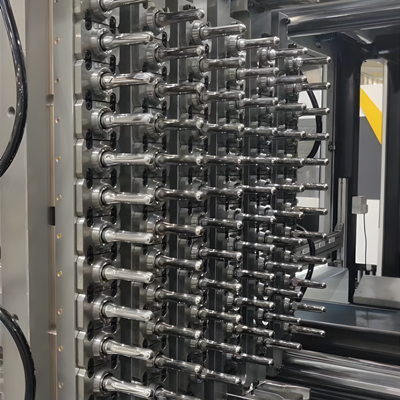
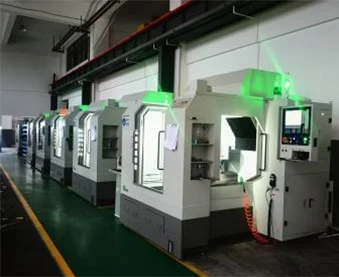
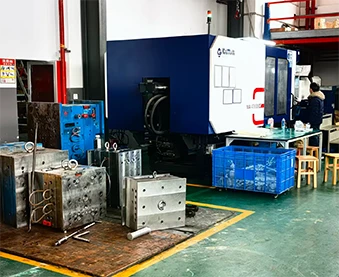
Machining Center


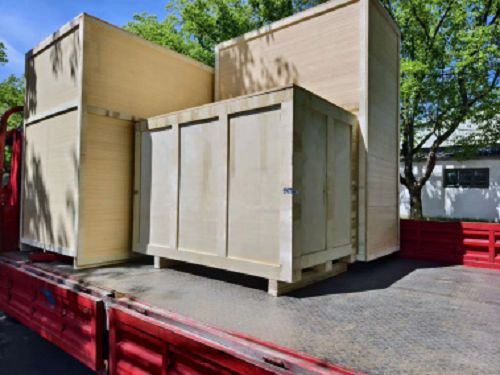
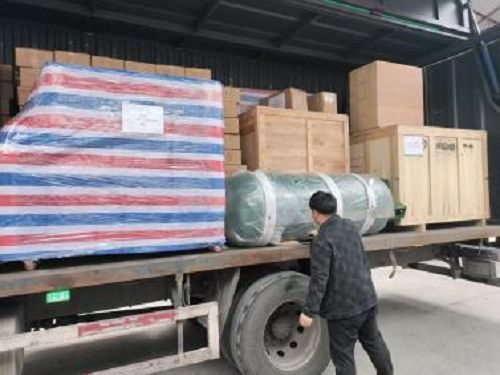
Packaging & shipping

FAQ
Q 1: What is the lead time for mould delivery?
A 1: Standard lead time is 60 days from order confirmation, including design, manufacturing, testing, and customization. Expedited delivery options are available for urgent orders.
Q 2: Do you provide on-site installation and training services?
A 2: Yes. Our technical team will stay on-site until the production line runs at full capacity with stable output.
Q 3: What is the warranty period for the mould?
A 3: We provide a 12 months warranty for the entire mould. We also offer lifetime technical support and spare parts supply.
Q 4: Can the preform mould be customized for different preform specifications?
A 4: Absolutely. We can customize the mould for different preform sizes, weights, neck finishes, and product applications (beverage, food, personal care, household chemicals). All customizations are validated through flow simulation before manufacturing.
Q 5: How to choose an injection moulding machine for a preform mould with such a large number of cavities?
A 5: We recommend choosing a specialized PET injection moulding machine. Its advantages are twofold: it can meet the mould requirements of space between tie bars, maximum mould thickness, and injection volume. It also saves high costs on equipment investment. A standard machine would require at least two tonnage levels more than a dedicated PET injection moulding machine.
Q 6: How to increase the production efficiency of PET preform injection moulding lines?
A 6: For PET preform injection moulding production lines with more than 64 cavities, we recommend considering the use of dedicated PET machines and external cooling to increase production efficiency during the planning stage. Taking this 15g, 72-cavity mould as an example, with external cooling, the production cycle can be controlled within 7 seconds.
Q 7: Why the PET injection preform mould base material use 4Cr13?
A 7: Because this mould is designed to have a lifespan far exceeding that of ordinary pin valve moulds, its mould frame is made of 4Cr13 material to prevent deformation of the mould template during long-term use. The 4Cr13 mould base is heat-treated and precision-machined to eliminate internal stress, ensuring no deformation during long-term production.
Q 8: Why choose AISI 422 (632) mould steel for mould core/cavity components?
A 8: The mould is designed for a lifespan of 5 million cycles. It utilizes AISI422 cavity/core vacuum hardening and low-temperature nitriding treatment, achieving a hardness of HRC48-56 and improving corrosion resistance by 30%.
Q 9: What flow rate and pressure are needed to cool this mould?
A 9: We recommend selecting a cooling water flow rate of 25 m³/h, a water chiller pump pressure of 8-10 bar.
Q 10: Can rPET material be directly mixed into raw materials?
A 10: rPET needs to be cleaned to remove impurities and dried before use. Special attention must be paid to the percentage it is mixed with from virgin material, otherwise it will affect the quality of the products.


