

If you've ever unscrewed a bottle of water, squeezed a pill bottle to open it, or flipped open a travel-sized shampoo cap, you've interacted with a product that depends on precision manufacturing: the screw cap. For manufacturers that rely on screw caps in packaging, the efficiency of production directly impacts bottom lines, order turnaround times, and ability to meet market demand. That's where screw cap moulds come in, and at the core of their performance is a metric that every production manager, process engineer, and cap mould operator obsesses over: cycle time. As a screw cap mould supplier that's worked with packaging brands across 17 countries over the past 12 years, I've fielded hundreds of questions about cycle time, and most of them boil down to one thing: why does it matter, and how do I get it right?
Let's start with the basics. The cycle time of a screw cap mould is the total amount of time it takes the mould to complete one full production run of caps-from when it closes to the moment the finished, ejectable caps are released. It's not just a number on a spec sheet; it's the heartbeat of your mould's productivity. For example, a mould that runs PCO 1881 32 cavities cap (meaning it makes 32 caps per cycle) with a 18-second cycle time will produce 106 caps per minute. If another identical mould has a 15-second cycle time, that's 128 caps per minute-12.5% more output without adding extra labour or equipment. That difference doesn't just translate to more caps; it means faster order fulfillment, lower per-unit production costs, and the ability to respond to last-minute demands from brands that launch seasonal products or limited-edition packaging.
But cycle time isn't "set it and forget it." It's a dynamic number shaped by a dozen interconnected factors, and cutting corners on one often backfires. Let's break down what goes into that 15 or 20 second cycle you're seeing on your machine right now.
First, there's the material phase. Most screw caps are made from plastic-usually PP (polypropylene) for its flexibility, HDPE for thicker industrial caps, or even PET for high-end pharmaceutical or health product packaging cap. When plastic pellets are fed into the mould, they have to reach a specific temperature to melt evenly and flow into every tiny detail of the cap's design (like grip ridges, tamper-evident bands, or special opening notches). That means the "injection phase" of the cycle, when molten plastic is pushed into the mould cavities, is non-negotiable. If you rush this, you get short shots-caps with missing edges or incomplete details that get rejected. As a screw cap mould supplier, we've seen brands try to cut this phase by boosting injection pressure, but that leads to warped caps that leak or break. For a standard 28mm beverage cap, the injection phase usually takes 1.5 to 3 seconds, depending on the material. For a thicker, custom screw cap designed for a pharmaceutical bottle, that time can jump to 4 or 5 seconds, simply because the material needs more time to fill larger cavities.
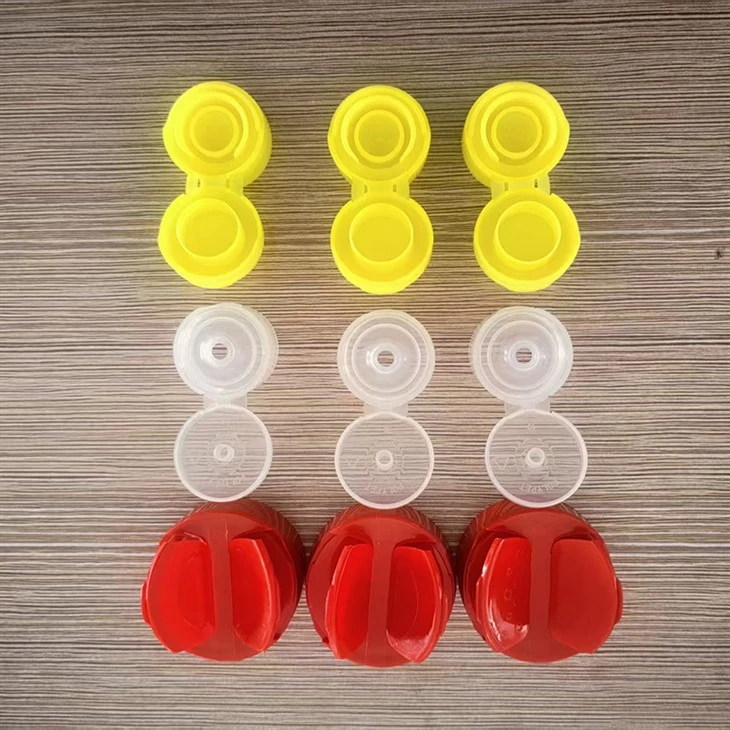
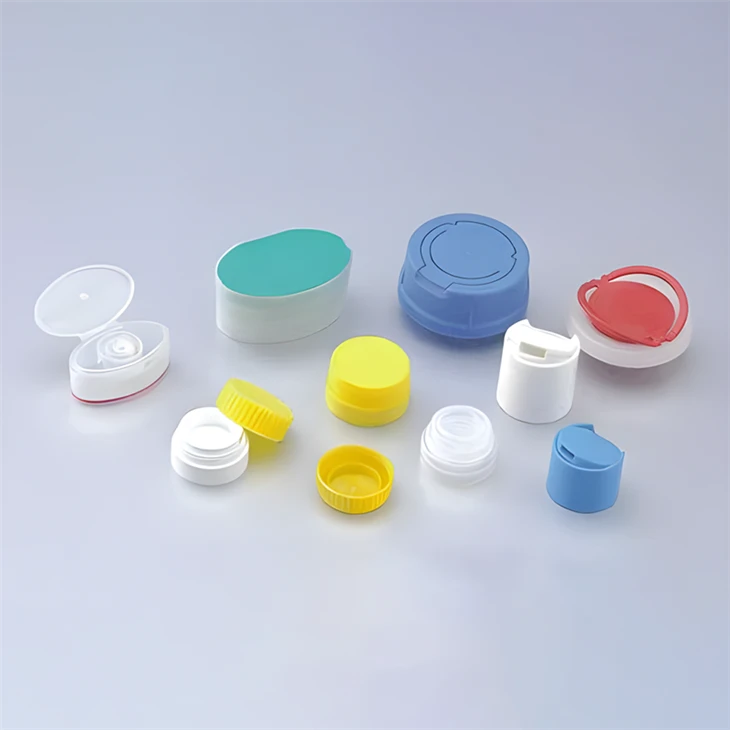
Next comes cooling-this is where the biggest cycle time gains (and biggest mistakes) happen. After the plastic is injected, it needs to solidify enough to hold its shape when the mould opens and ejects. That cooling phase makes up 60 to 70% of total cycle time for most screw cap moulds, so optimizing it is the single easiest way to improve productivity without sacrificing quality. The key here is proper mould cooling design. A mould with narrow, uneven cooling channels will have hot spots in the cavities-areas where plastic cools slower-leading to inconsistent cycle times and reject rates as high as 5%. That's a huge waste: if you produce 1 million caps a month, 50,000 are defective, eating into profits. In our factory, we design molds with conformal cooling channels for molds with special structures, including Flip Top Cap Mould, Bottle Cap Mold, and PET Bottle Cap Mould. These cooling channels perfectly conform to the shape of each cap cavity, rather than simply being straight lines drilled into the steel plate. For example, screw cap molds for 10L bottled water require additional cooling to prevent tamper-evident tape deformation; therefore, we designed cooling channels that encircle the entire circumference of each cavity, reducing cooling time by 0.5 to 1 second compared to standard straight-channel molds.
Then there's the ejection and handling phase. Once the caps are cool enough, the mould opens, and the ejection mechanism pushes the caps out. The time this takes depends on the mould's design and the integration with your production line. For high-volume applications, like a beverage plant making 10,000 bottles an hour, moulds use high-speed ejection systems that push caps out in a fraction of a second, and often have integrated conveyors that carry caps away immediately after ejection, so the cycle doesn't wait for manual sorting. For smaller runs, like custom cosmetic screw caps, ejection might be a bit slower, and teams might do a quick visual check as caps come out, adding 1 to 2 seconds to the cycle. That's why when we build a Cap Mould for a customer, we always ask about their production line setup: are they running fully automated, or semi-automated? Do they need integrated quality checks? Adjusting the mould's ejection and handling system to match their process, not the other way around, can shave 2 to 4 seconds off cycle time without adding costs.
Wait, but here's a common myth: faster cycle time is always better. That's not true. Cutting cooling time too much leads to caps that are still soft, so they bend when you open or close them, or the tamper band breaks prematurely. Rushing injection leads to short shots, as I mentioned, and rushing mould closing can cause damage to the cavity or ejection pins, leading to costly downtime for repairs. We had a customer a few years back that tried to cut their cycle time from 12 seconds to 9 by cranking up their injection speed and cooling. Within a week, their reject rate jumped from 1% to 18%, and a broken ejection pin shut down their line for 8 hours. By adjusting the mould's cooling channels to match their machine specs, we got their cycle time back to 12 seconds, with a reject rate under 0.5%-a small cut in cycle time that saved them thousands in wasted material and downtime.
Another factor that many people overlook: mould maintenance and material consistency. Cycle time isn't just about the mould itself; it's about how well it's cared for and what you're putting into it. If your mould has dirty cooling channels, scaled with plastic residue, cooling time can increase by 2 to 5 seconds, because heat can't escape properly. If you switch between different materials (say, from PP to PET) without properly purging the mould, the plastic flows differently, so you have to adjust cycle time to avoid defects. As a Plastic Bottle Cap Mould supplier, we always include a maintenance guide with every mould we sell, outlining how often to clean cooling channels, inspect ejection pins, and calibrate cycle times. We also work with customers to recommend material suppliers that consistently produce pellets of the same size and melt temperature, so they don't have to adjust their cycle time every time they get a new shipment of plastic.
So what's a "normal" cycle time for a screw cap mould? It varies by mould type, cavity count, and application. For a standard 28mm beverage bottle cap mould with 32 cavities, running PP, cycle time is usually between 12 and 15 seconds. For a flip-top cap mould with complex hinge designs (those little plastic hinges that connect the cap to the base of the bottle), cycle time is a bit longer, usually 18 to 20 seconds, because the hinge needs extra cooling to stay flexible and not break when opened. For a thicker, custom screw cap for a industrial chemical bottle, cycle time can be 20 to 25 seconds. It's important to note that these are average numbers-great mould design and integration can bring them down, while complex cap features will push them up.
For anyone looking to optimize their screw cap mould's cycle time, here are three practical tips that I've shared with hundreds of customers:
First, invest in proper mould cooling, not just higher cooling power. A lot of customers think "more cooling = faster cooling," but that's not true. Poorly designed cooling systems, such as mold cooling water channels that are too narrow, leading to hot spots and defects that force you to slow down the cycle. Conformal cooling channels inside the mould are far more effective, because they cool the plastic evenly, so you can run the cycle as fast as the material and design allow.
Second, match your mould to your line, not just your cap design. If you're setting up a new production line for 500ml water bottles, don't buy a 16-cavity mould designed for semi-automated production if you're running a fully automated line that can handle 32 cavities. Working with a mould supplier that understands both cap design and production line integration will help you choose a mould that maximizes cycle time without overloading your equipment.
Third, track cycle time and reject rates together. Don't just look at how fast your mould runs-look at how many caps you have to throw away because of defects from rushing the cycle. A 10-second cycle time with a 5% reject rate is worse than a 12-second cycle time with a 0.5% reject rate, because the wasted material and downtime from defects will cost you more than the extra 2 seconds per cycle.
At the end of the day, cycle time is a balance: between speed, quality, and cost. For brands that rely on screw caps, every second counts, because it translates to more products on shelves, lower costs, and better customer satisfaction. As a screw cap mould supplier, our job isn't just to build a mould that makes caps-it's to build a mould that runs at its optimal cycle time, so our customers can grow their businesses without worrying about bottlenecks or defects.
If you're looking to optimize your current screw cap mould cycle time, or need a new mould tailored to your specific cap design and production needs, we'd love to discuss your project. Our team has decades of experience working with all types of cap applications, from beverage to pharmaceutical to cosmetic, and we can help you find the right solution to boost your productivity and reduce costs.
References
- Rosato, D. V., & Rosato, M. G. (2004). Injection Molding Handbook (3rd ed.). Springer.
- Campbell, G. A. (2013). Molding and Casting of Plastics. Hanser Publishers.
- Packaging Association for Flexible and Rigid Containers (2022). Global Cap Manufacturing Efficiency Report.
- European Plastic Converters Association (2021). Design Guidelines for Precision Plastic Moulds.