

Hey there! As a supplier of PET Bottle Cap Moulds, I've seen firsthand how crucial the gate location is in the moulding process. It can make or break the quality of the final product. So, today I'm gonna share some tips on how to optimize the gate location in a PET bottle cap mould.
Understanding the Basics of Gate Location
First things first, let's talk about what a gate is. In the context of injection moulding, a gate is the small opening through which the molten plastic enters the mould cavity. The location of this gate can have a huge impact on the flow of the plastic, the cooling process, and ultimately, the quality of the bottle cap.
When the plastic is injected into the mould, it needs to flow evenly throughout the cavity. If the gate is poorly located, the plastic might not fill the cavity properly, leading to issues like short shots, warping, or uneven wall thickness. On the other hand, a well - placed gate can ensure a smooth and uniform flow, resulting in high - quality bottle caps.
Factors to Consider When Choosing the Gate Location
1. Part Geometry
The shape and size of the bottle cap play a major role in determining the gate location. For example, if the cap has a complex shape with thin walls or intricate details, the gate should be placed in a way that allows the plastic to reach all parts of the cavity easily. A common approach is to place the gate near the thickest part of the cap. This helps to ensure that the plastic has enough pressure to flow through the thinner sections.
2. Flow Length
The distance that the plastic has to travel from the gate to the farthest point in the cavity is called the flow length. A shorter flow length is generally better because it reduces the pressure drop and the likelihood of the plastic solidifying before filling the entire cavity. So, when choosing the gate location, try to minimize the flow length as much as possible.
3. Aesthetic Requirements
In many cases, the appearance of the bottle cap is just as important as its functionality. The gate location can leave a visible mark on the cap, which might not be acceptable for some applications. If aesthetics are a concern, the gate should be placed in an area that is less noticeable, such as the bottom or the inside of the cap.
4. Cooling Considerations
The cooling process also affects the gate location. The plastic needs to cool down evenly to prevent warping and shrinkage. If the gate is placed in an area with poor cooling, it can lead to uneven cooling rates and cause defects in the cap. So, make sure that the gate location allows for proper cooling of the plastic.
Different Types of Gates and Their Suitability
There are several types of gates commonly used in PET bottle cap moulds, each with its own advantages and disadvantages.
1. Pin Gates
Pin gates are small, round gates that are typically used for small to medium - sized parts. They leave a small mark on the part, which can be easily removed. Pin gates are good for applications where aesthetics are important. They also provide good control over the plastic flow and can be easily located in different positions on the mould. You can learn more about Plastic Cap Mould and how pin gates are used in them.
2. Submarine Gates
Submarine gates, also known as tunnel gates, are hidden gates that cut off automatically when the mould opens. They are ideal for parts where the gate mark needs to be minimized. Submarine gates are often used in high - volume production because they are efficient and cost - effective. Check out Plastic Cap Mold to see how submarine gates are incorporated into the design.
3. Fan Gates
Fan gates are wide, flat gates that are used for large parts or parts with a wide flow path. They provide a more even distribution of the plastic, which helps to reduce the likelihood of flow lines and other defects. However, fan gates can leave a larger mark on the part and might require some post - processing to remove.
Steps to Optimize the Gate Location
1. Conduct a Mould Flow Analysis
Before finalizing the gate location, it's a good idea to conduct a mould flow analysis. This is a computer - aided engineering (CAE) technique that simulates the flow of the plastic in the mould. It can help you visualize how the plastic will flow, identify potential problems, and make adjustments to the gate location accordingly.
2. Build a Prototype
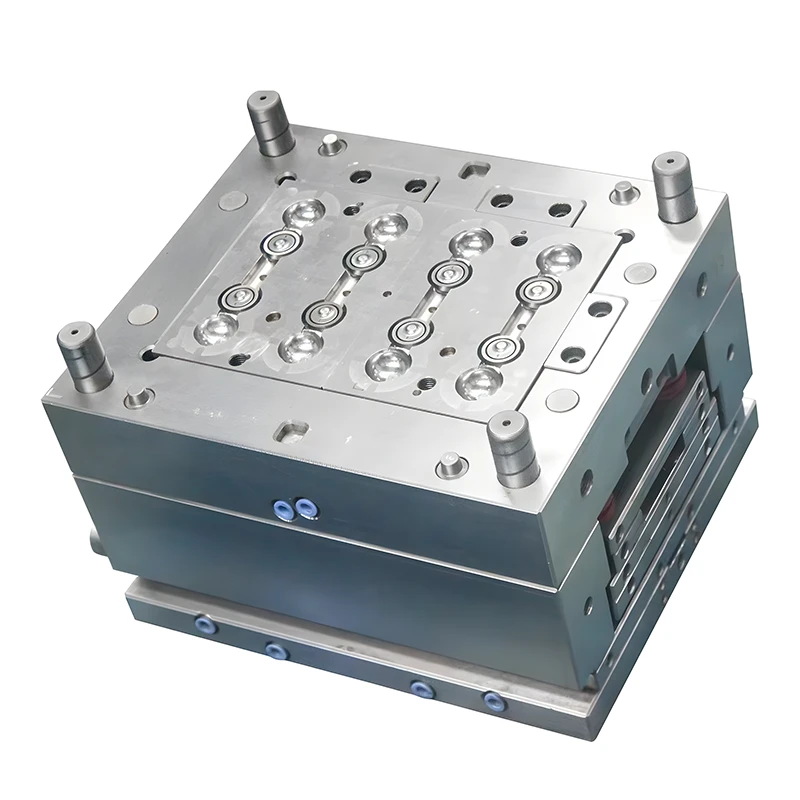
Once you have a preliminary gate location based on the mould flow analysis, build a prototype of the mould. This allows you to test the actual performance of the gate and make any necessary changes. You can observe how the plastic fills the cavity, check for any defects, and evaluate the overall quality of the bottle cap.

3. Iterate and Improve
Based on the results of the prototype testing, iterate on the gate location. Make small adjustments and test again until you achieve the optimal gate location. Remember, optimization is an ongoing process, and you might need to make several iterations to get the best results.
Real - World Examples
Let me share a real - world example. We had a client who needed a PET bottle cap with a unique design. The cap had a thin, circular top and a thicker base. Initially, we placed the gate in the center of the top, but we noticed that the plastic was not flowing evenly to the base. After conducting a mould flow analysis, we realized that placing the gate near the base would be better. We made the change, built a new prototype, and the results were amazing. The plastic filled the cavity evenly, and the final bottle caps had excellent quality. You can find more examples and case studies related to Bottle Cap Mould.
Conclusion
Optimizing the gate location in a PET bottle cap mould is a complex but essential process. By considering factors like part geometry, flow length, aesthetic requirements, and cooling, and by choosing the right type of gate, you can ensure that your bottle caps are of high quality. Conducting a mould flow analysis, building prototypes, and iterating on the design are key steps in achieving the optimal gate location.
If you're in the market for high - quality PET bottle cap moulds and want to discuss the best gate location for your specific application, don't hesitate to reach out. We're here to help you get the most out of your moulding process and produce top - notch bottle caps.
References
- "Injection Moulding Handbook" by Rosato, Rosato, and Schotz
- "Mould Flow Analysis for Injection Moulding" by Beaumont
- Industry whitepapers on PET bottle cap moulding