

When it comes to the production of screw caps, using a screw cap mould is a critical step. As a supplier of screw cap moulds, I understand the importance of safety precautions in the process of using these moulds. Ensuring the safety of operators not only protects their well - being but also guarantees the quality and efficiency of production. In this blog, I will share some essential safety precautions when using a screw cap mould.
Pre - operation Safety Checks
Before starting to use the screw cap mould, a series of pre - operation safety checks must be carried out. Firstly, inspect the physical condition of the mould. Check for any visible damages such as cracks, dents, or deformations on the mould surface. Even a small crack can lead to the failure of the cap production process and may pose a safety risk during operation. For example, a cracked mould may break under pressure, sending fragments flying, which can cause serious injuries to operators.
Secondly, examine the cooling system of the mould. A well - functioning cooling system is crucial for maintaining the proper temperature of the mould during the injection - molding process. If the cooling system is blocked or malfunctioning, it can cause overheating of the mould, which not only affects the quality of the screw caps but also increases the risk of fire or other safety hazards. Make sure all the cooling channels are clean and the coolant is flowing smoothly.
It is also important to check the alignment of the mould. Misaligned moulds can result in uneven pressure distribution during the injection process, leading to defective screw caps. Moreover, misalignment can put extra stress on the mould and the injection - molding machine, potentially causing mechanical failures. Ensure that the mould is properly installed and centered on the machine.
Operator Training and Protection
Proper operator training is one of the most important safety precautions. Operators should be well - trained on how to operate the injection - molding machine and the screw cap mould correctly. They need to understand the entire production process, from loading the raw materials to removing the finished screw caps. Training should cover topics such as machine startup and shutdown procedures, mould installation and removal, and emergency stop operations.
In addition to training, operators must wear appropriate personal protective equipment (PPE). Safety glasses should be worn to protect the eyes from flying debris, especially during the mould installation and maintenance processes. Heat - resistant gloves are necessary when handling hot moulds or when dealing with the injection - molding machine, as the temperature can be extremely high. Safety shoes should also be worn to protect the feet from heavy objects or sharp tools.
Handling and Storage of Raw Materials
The raw materials used for screw cap production, such as plastic resins, can also pose safety risks if not handled and stored properly. When handling raw materials, operators should be careful to avoid spills. Some plastic resins may be slippery when spilled on the floor, increasing the risk of slips and falls. In case of a spill, clean it up immediately using appropriate cleaning methods.
Proper storage of raw materials is also crucial. Raw materials should be stored in a dry and well - ventilated area. Some plastic resins are hygroscopic, which means they can absorb moisture from the air. Moisture - laden raw materials can affect the quality of the screw caps and may also cause problems during the injection - molding process. Moreover, storing raw materials in a well - ventilated area helps to prevent the accumulation of fumes, which can be harmful to operators' health.
Maintenance and Cleaning
Regular maintenance and cleaning of the screw cap mould are essential for both safety and quality. Maintenance should be carried out according to a scheduled plan. This includes lubricating moving parts, checking and tightening bolts and nuts, and replacing worn - out components. Lubrication helps to reduce friction between moving parts, which not only extends the lifespan of the mould but also ensures smooth operation.

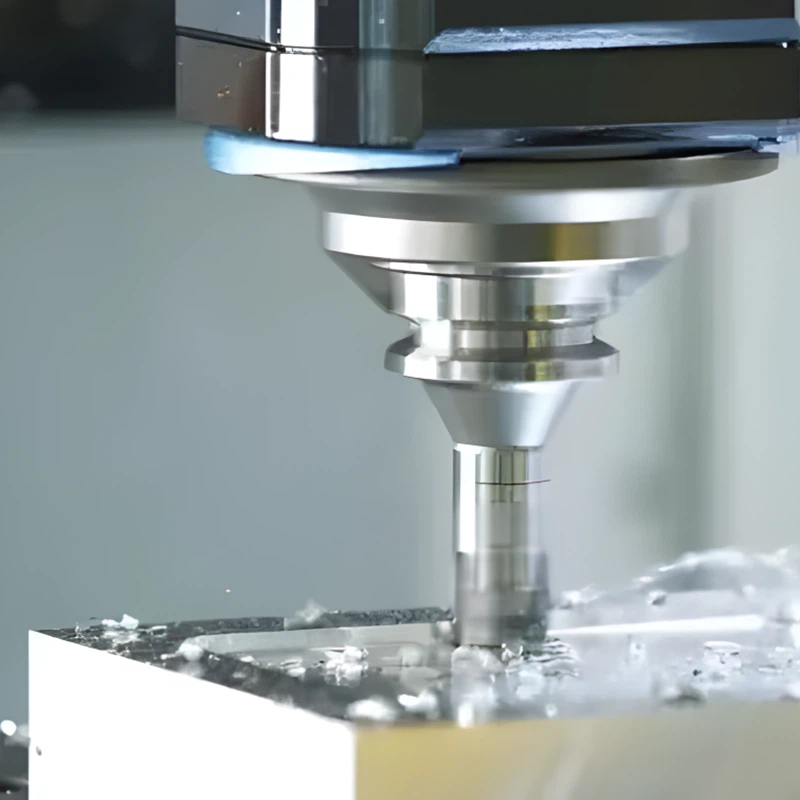
Cleaning the mould after each production cycle is also necessary. Residual plastic material and dirt can accumulate on the mould surface over time, affecting the quality of the screw caps. Use appropriate cleaning agents and tools to clean the mould. Avoid using abrasive tools that can scratch the mould surface, as scratches can lead to surface defects on the screw caps.
Emergency Preparedness
Despite taking all the necessary safety precautions, emergencies can still occur. Therefore, it is important to have an emergency preparedness plan in place. The plan should include procedures for dealing with fires, electrical failures, and mechanical breakdowns. For example, in case of a fire, there should be easily accessible fire extinguishers in the production area, and operators should be trained on how to use them.
Emergency exits should be clearly marked and kept unobstructed at all times. Regular emergency drills should be conducted to ensure that all operators know how to evacuate the area quickly and safely in case of an emergency.
Conclusion
In conclusion, using a screw cap mould safely requires a comprehensive approach that includes pre - operation checks, operator training, proper handling of raw materials, regular maintenance, and emergency preparedness. By following these safety precautions, we can ensure the safety of the operators, the quality of the screw caps, and the efficiency of the production process.
As a supplier of Screw Cap Mould, we are committed to providing high - quality moulds and also offering valuable advice on their safe use. If you are interested in our 5 Gallon Cap Mould or Flip Top Cap Mould, or if you have any questions about the safety precautions or other aspects of using screw cap moulds, please feel free to contact us for further discussion and potential procurement.
References
- Injection Molding Handbook, Second Edition by Ossenbruggen, Rainer
- Plastics Processing Technology by Brydson, J. A.
- Safety Guidelines for Plastic Injection Molding Industry, National Institute for Occupational Safety and Health (NIOSH)