

Hey there! I'm part of a bottle cap mold supplier team, and today I wanna chat about how to ensure smooth ejection of bottle caps from a mold. It's a crucial aspect in the manufacturing process, and getting it right can save you a ton of time, money, and headaches.

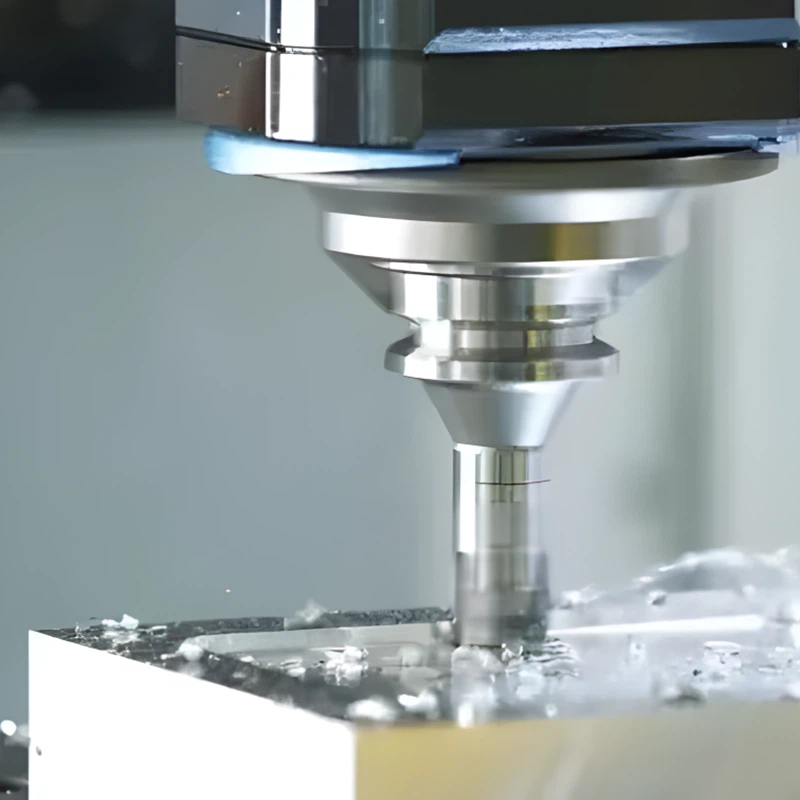
First off, let's understand why smooth ejection matters. When bottle caps don't eject smoothly from the mold, it can lead to all sorts of problems. You might end up with damaged caps, which means wasted materials and lower product quality. It can also slow down the production line, reducing efficiency and increasing costs. So, making sure the ejection process is smooth is a win - win for everyone involved.
Design Considerations
The design of the mold plays a huge role in the ejection process. A well - designed mold will have features that facilitate easy removal of the bottle caps.
Draft Angles
Draft angles are super important. These are the slight tapers on the vertical walls of the mold cavity. They help the bottle cap slide out of the mold without getting stuck. When designing the Bottle Cap Mould, we make sure to incorporate appropriate draft angles. Usually, a draft angle of around 1 - 3 degrees is sufficient for most bottle cap designs. But it can vary depending on the material of the cap, the complexity of the design, and the type of mold.
Ejection Pins Placement
The placement of ejection pins is another key factor. Ejection pins are used to push the bottle cap out of the mold. They need to be placed in strategic locations so that they can apply even pressure on the cap. If the pins are placed too close together, they can cause marks on the cap. On the other hand, if they're too far apart, the cap might not eject properly. We carefully analyze the shape and structure of the bottle cap to determine the optimal placement of ejection pins for each Screw Cap Mould or Plastic Bottle Cap Mould we create.
Venting
Proper venting is often overlooked but is essential for smooth ejection. During the molding process, air needs to escape from the mold cavity. If there's no proper venting, air can get trapped, creating pressure that makes it difficult for the cap to eject. We design our molds with small vents in the right places to allow air to escape easily. This not only helps with ejection but also improves the overall quality of the bottle caps.
Material Selection
The material used for the bottle cap and the mold itself can have a significant impact on the ejection process.
Bottle Cap Material
Different plastics have different shrinkage rates and friction coefficients. For example, polypropylene (PP) is a commonly used material for bottle caps because it has good chemical resistance and a relatively low shrinkage rate. When the cap shrinks less during cooling, it's easier to eject from the mold. We work closely with our clients to understand their requirements and recommend the most suitable material for their bottle caps.
Mold Material
The material of the mold also matters. High - quality mold steels, such as P20 or H13, are often used because they are hard, durable, and have good heat - conducting properties. A mold made from a good material will have a smooth surface finish, which reduces friction between the mold and the bottle cap. This makes it easier for the cap to slide out during ejection.
Process Optimization
The molding process itself needs to be optimized to ensure smooth ejection.
Temperature Control
Temperature plays a vital role in the molding process. If the mold temperature is too high, the plastic will be too soft, and the cap might deform during ejection. On the other hand, if the temperature is too low, the plastic might not flow properly, and the cap could get stuck in the mold. We use advanced temperature control systems to maintain the optimal temperature throughout the molding process. This helps to ensure that the bottle caps are formed correctly and can be ejected smoothly.
Injection Pressure and Speed
The injection pressure and speed also need to be carefully controlled. Too much pressure can cause the plastic to pack tightly against the mold walls, making it harder to eject. Too little pressure, and the cap might not be fully formed. We adjust the injection pressure and speed based on the type of plastic, the size of the cap, and the design of the mold.
Cooling Time
Proper cooling time is essential for the bottle cap to solidify before ejection. If the cap is ejected too soon, it will be too soft and might deform. If the cooling time is too long, it will slow down the production process. We use cooling channels in the mold to control the cooling rate and determine the optimal cooling time for each type of bottle cap.
Maintenance and Cleaning
Regular maintenance and cleaning of the mold are crucial for ensuring smooth ejection.
Mold Cleaning
Over time, plastic residue, lubricants, and other contaminants can build up on the mold surface. This can increase friction and make it difficult for the bottle caps to eject. We recommend cleaning the mold regularly using appropriate cleaning agents and tools. A clean mold will not only improve ejection but also extend the lifespan of the mold.
Mold Inspection
Periodic inspection of the mold is also necessary. We check for any signs of wear and tear, such as damaged ejection pins or scratches on the mold surface. If any issues are detected, we can make the necessary repairs or replacements before they cause problems with the ejection process.
Troubleshooting
Even with the best design, materials, and processes, problems can still occur. Here are some common issues and how to solve them.
Sticking Caps
If the bottle caps are sticking to the mold, it could be due to a variety of reasons. It might be because of insufficient draft angles, improper ejection pin placement, or a dirty mold. We first check the mold design and make any necessary adjustments. If the problem persists, we clean the mold thoroughly and make sure the ejection pins are working properly.
Damaged Caps
Damaged caps during ejection can be caused by excessive pressure from the ejection pins or a rough mold surface. We adjust the ejection pin pressure and check the surface finish of the mold. If the mold surface is rough, we can polish it to reduce friction.
Uneven Ejection
Uneven ejection can occur when the ejection pins are not applying even pressure on the cap. We check the alignment of the ejection pins and make sure they are all in good working condition. Sometimes, a small adjustment in the pin placement can solve the problem.
In conclusion, ensuring smooth ejection of bottle caps from a mold is a complex but achievable goal. By paying attention to design, material selection, process optimization, maintenance, and troubleshooting, we can help our clients produce high - quality bottle caps efficiently. If you're in the market for a reliable Bottle Cap Mould, Screw Cap Mould, or Plastic Bottle Cap Mould, don't hesitate to reach out. We're here to provide you with the best solutions for your bottle cap manufacturing needs. Let's have a chat and see how we can work together to take your production to the next level.
References
- "Plastic Injection Molding Handbook" by O. Olanipekun
- "Mold Design for Plastics" by R. A. Malloy