

Hey there! I'm a supplier of Water Bottle Cap Mould. Over the years, I've seen firsthand the importance of a water bottle cap mould's fatigue resistance. A mould that can withstand repeated use without wearing out is not only cost - effective but also crucial for maintaining the quality of the bottle caps it produces. So, let's dive into how we can enhance the fatigue resistance of a water bottle cap mould.
1. Material Selection
The first step in enhancing fatigue resistance is choosing the right material for the mould. High - quality tool steels are often a top choice. For example, H13 steel is well - known for its excellent toughness and heat resistance. It can handle the high pressures and temperatures involved in the injection moulding process. Another option is P20 steel, which is more affordable and has good machinability, making it suitable for less demanding applications.
When selecting the material, consider the hardness and toughness. A material that is too hard may be brittle and prone to cracking under fatigue, while a material that is too soft may deform easily. We need to find a balance. Some manufacturers also add alloying elements to the steel to improve its properties. For instance, adding chromium can increase the corrosion resistance of the mould, which is important as the mould may come into contact with various chemicals during the production process.
2. Heat Treatment
Heat treatment is a crucial process for enhancing the fatigue resistance of the mould. It can improve the hardness, strength, and toughness of the material. One common heat treatment method is quenching and tempering. Quenching involves rapidly cooling the heated steel to harden it, while tempering is used to relieve the internal stresses and improve the toughness.
The heat treatment process needs to be carefully controlled. The heating and cooling rates, as well as the temperature, all play important roles. If the quenching is too fast, the mould may develop cracks. On the other hand, if the tempering is not done properly, the internal stresses may remain, reducing the fatigue resistance.
For example, with heat treatment, the fatigue life of S136 mold steel can be increased from 2 million cycles to 3 million cycles, and the crack initiation is delayed by 1.5 times.
3. Design Optimization
The design of the water bottle cap mould also has a significant impact on its fatigue resistance. A well - designed mould should distribute the stress evenly during the injection moulding process. For example, the runner system should be designed in such a way that the molten plastic flows smoothly into the cavity, reducing the pressure on the mould walls.
The shape of the cavity is also important. Sharp corners and edges can create stress concentrations, which are more likely to cause fatigue cracks. Rounding the corners and edges can help to distribute the stress more evenly. Additionally, the thickness of the mould walls should be uniform to avoid areas of high stress.
4. Surface Treatment
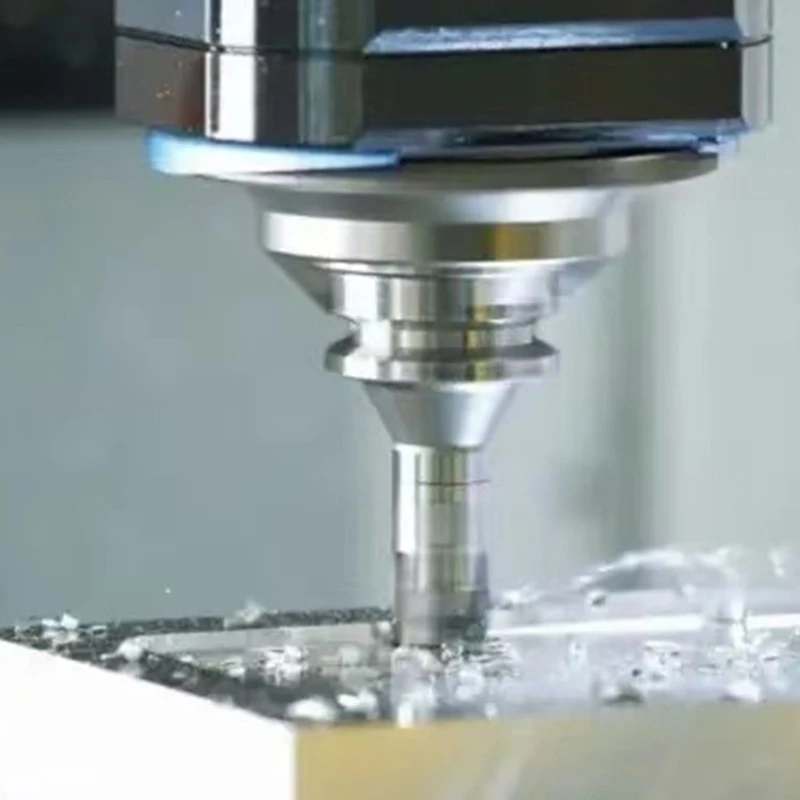
Surface treatment can improve the fatigue resistance of the mould by reducing friction and wear. One common surface treatment method is nitriding. Nitriding creates a hard, wear - resistant layer on the surface of the mould. This layer can protect the mould from abrasion and corrosion, extending its lifespan.
Another surface treatment option is coating. For example, a diamond - like carbon (DLC) coating can provide excellent wear resistance and low friction. The coating can also improve the release properties of the mould, making it easier to remove the bottle caps after the injection moulding process.

5. Maintenance and Inspection
Regular maintenance and inspection are essential for ensuring the long - term fatigue resistance of the water bottle cap mould. After each production run, the mould should be cleaned to remove any residual plastic or debris. This can prevent the build - up of contaminants that may cause wear or corrosion.
Inspection should be carried out regularly to detect any signs of fatigue, such as cracks or wear. Non - destructive testing methods, such as ultrasonic testing or magnetic particle testing, can be used to detect internal defects. If any issues are found, they should be addressed promptly to prevent further damage.
6. Process Control
Controlling the injection moulding process is also important for enhancing the fatigue resistance of the mould. The injection pressure, temperature, and cycle time should be carefully monitored and adjusted. High injection pressures can put excessive stress on the mould, while improper temperatures can cause the plastic to solidify unevenly, leading to stress concentrations.
By maintaining a stable and consistent injection moulding process, we can reduce the stress on the mould and improve its fatigue resistance. For example, using a servo - driven injection moulding machine can provide more precise control over the process parameters.
7. Collaboration with Suppliers
As a Water Bottle Cap Mould supplier, I know the importance of collaborating with other suppliers. Working with high - quality material suppliers can ensure that we get the best materials for our moulds. They can also provide technical support and advice on material selection and heat treatment.
Collaborating with plastic resin suppliers is also important. Different plastic resins have different properties, and choosing the right resin can reduce the stress on the mould during the injection moulding process. For example, some resins have better flow properties, which can reduce the injection pressure required.
8. Training and Education
Proper training and education for the operators are crucial for enhancing the fatigue resistance of the water bottle cap mould. Operators should be trained on how to operate the injection moulding machine correctly, including setting the right process parameters and handling the mould properly.
They should also be educated on the importance of maintenance and inspection. By having well - trained operators, we can ensure that the mould is used and maintained in the best possible way, which can significantly improve its fatigue resistance.
FAQ
Q 1: How do I choose between H13 and P20 steel for a high-cycle water bottle cap mould?
A 1: For high-volume production (e.g., >1 million cycles), S136 & H13 is recommended due to its superior toughness, thermal fatigue resistance, and ability to withstand high injection pressures and temperatures.
For lower-volume or prototype runs (e.g., <500,000 cycles), P20 is more cost-effective and easier to machine, but it will show fatigue cracks earlier under continuous high-cycle loading.
Q 2: Can improper quenching cause early fatigue failure even if the mould is made of S136 & H13 steel?
A 2: Yes. If quenching is too fast or uneven, micro-cracks or high residual stresses remain inside the mould. These act as fatigue crack initiation sites during cyclic injection pressure.
What to check: Always request tempering curves and non-destructive testing (e.g., magnetic particle inspection) after heat treatment. A properly heat-treated S136 & H13 mould should show no surface or sub-surface cracks before first use.
Q 3: How often should a water bottle cap mould be inspected for fatigue cracks during production?
A 3: A practical schedule for high-cycle moulds:
Every 100,000 cycles – visual inspection of high-stress areas (gate area, thin core pins, sharp corners)
Every 500,000 cycles – non-destructive testing (ultrasonic or dye penetrant)
At every mould change or cleaning – check for fretting wear on parting lines and guide pins
Early sign of fatigue: Unusual flash on caps or increased ejection force - often before a crack becomes visible.
Q4: Does nitriding improve fatigue resistance or just wear resistance?
A 4: Nitriding primarily improves surface hardness and wear resistance, but it also delays fatigue crack initiation by reducing surface micro-defects and compressive residual stress. For water bottle cap moulds, a nitrided layer of 0.1–0.3mm can increase fatigue life by 30–50% without changing base material.
Q5: How much can rounding sharp corners improve fatigue life?
A 5: Adding a 0.2–0.5mm radius at internal corners can increase fatigue life by 2–3x in many cap mould designs. Sharp corners create stress concentration factors (Kt) of 3–5, while a small radius reduces Kt to <1.5. This is one of the cheapest and most effective improvements.
In conclusion, enhancing the fatigue resistance of a water bottle cap mould requires a comprehensive approach. From material selection and heat treatment to design optimization and process control, every step plays an important role. As a Water Bottle Cap Mould supplier, I'm committed to providing high - quality moulds with excellent fatigue resistance. If you're in the market for a water bottle cap mould, Plastic Bottle Cap Mold or Flip Top Cap Mold, feel free to reach out for a discussion. We can work together to find the best solution for your needs.
References
- "Tool and Die Making Handbook"
- "Injection Molding Handbook"
- Industry research reports on mould manufacturing