

Hey there! As a supplier of PET bottle molds, I often get asked about the typical wall thickness of bottles produced by these molds. It's a crucial aspect that can significantly impact the quality, functionality, and cost of the final product. So, let's dive right in and explore this topic in detail.
First off, what exactly is a PET bottle mold? Well, it's a specialized tool used to create plastic bottles from polyethylene terephthalate (PET), a lightweight, strong, and recyclable material commonly used in the packaging industry. These molds come in various shapes and sizes, depending on the specific requirements of the bottle design.
Now, let's talk about wall thickness. The wall thickness of a PET bottle can vary widely depending on several factors, including the type of product it will hold, the size and shape of the bottle, and the intended use. For example, bottles used for carbonated beverages typically have thicker walls to withstand the pressure inside, while bottles for non-carbonated drinks or other products may have thinner walls.
In general, the wall thickness of PET bottles can range from as thin as 0.2 millimeters to as thick as 1.0 millimeter or more. However, most standard PET bottles used for everyday products like water, juice, and soda have a wall thickness between 0.3 and 0.5 millimeters. This range provides a good balance between strength, durability, and cost-effectiveness.

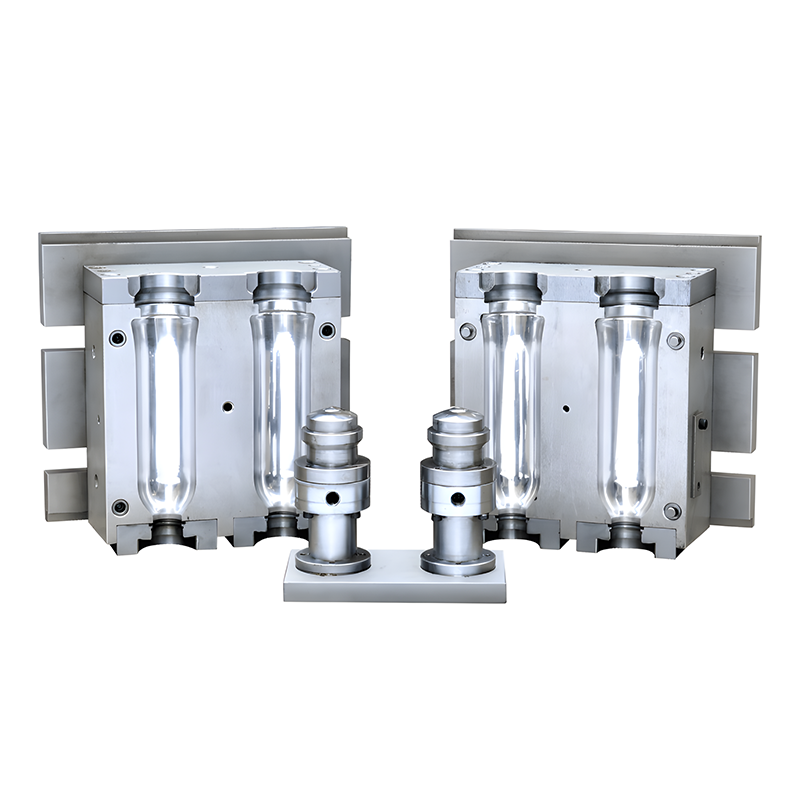
So, how do you determine the ideal wall thickness for your specific application? Here are some key factors to consider:
- Product Type: The type of product the bottle will hold is one of the most important factors in determining wall thickness. For example, carbonated beverages require thicker walls to prevent the bottle from bursting under pressure. On the other hand, non-carbonated drinks or products with low viscosity may not need as thick of a wall.
- Bottle Size and Shape: The size and shape of the bottle also play a role in determining wall thickness. Larger bottles generally require thicker walls to maintain their structural integrity, while smaller bottles can often get away with thinner walls. Additionally, bottles with complex shapes or designs may need thicker walls to ensure proper molding and prevent defects.
- Filling and Handling Requirements: The filling and handling requirements of the product can also impact wall thickness. For example, if the bottle will be filled at high speeds or subjected to rough handling during transportation, a thicker wall may be necessary to prevent damage.
- Cost: Of course, cost is always a consideration when it comes to manufacturing. Thicker walls generally require more material, which can increase the cost of production. Therefore, it's important to find a balance between the desired wall thickness and the cost of the final product.
As a PET bottle mold supplier, we understand the importance of getting the wall thickness right. That's why we work closely with our customers to understand their specific requirements and design molds that produce bottles with the optimal wall thickness. We use advanced technology and precision manufacturing techniques to ensure that our molds produce high-quality bottles with consistent wall thickness.
In addition to providing custom mold design and manufacturing services, we also offer a range of standard PET bottle molds that are designed to produce bottles with common wall thicknesses. These molds are available in a variety of sizes and shapes, making it easy for our customers to find the right mold for their needs.
If you're in the market for a Plastic Bottle Mold or Plastic Bottle Mould, or if you have any questions about the wall thickness of PET bottles, we'd love to hear from you. Our team of experts is always available to provide you with the information and support you need to make an informed decision.
Contact us today to learn more about our PET Bottle Mold products and services. We look forward to working with you!
References:
- "Plastic Packaging Technology" by Chris Rauwendaal
- "PET Packaging: Design, Processing, and Applications" by John W. McGinity