

As a supplier of PET preform molds, I often get asked about the temperature control requirements for these molds. It's a crucial aspect that can significantly impact the quality of the PET preforms produced. In this blog, I'll break down what those temperature control requirements are and why they matter so much.
Why Temperature Control is a Big Deal
Before we dive into the specific temperature requirements, let's understand why temperature control is so important for a PET preform mold. PET, or polyethylene terephthalate, is a thermoplastic polymer. When it's injected into the mold to form preforms, its properties change depending on the temperature.
If the temperature is too high, the PET material can become too fluid. This might lead to issues like flash (excess material squeezing out of the mold cavity), which not only wastes material but also requires additional finishing work. On the other hand, if the temperature is too low, the PET may not flow properly into all parts of the mold cavity. This can result in incomplete filling, short shots, or uneven wall thickness in the preforms.
Core Temperature Requirements
The temperature control in a PET preform mold can be divided into two main areas: the core temperature and the cavity temperature.
Core Temperature
The core of the mold is where the inner part of the preform takes shape. Maintaining the right core temperature is essential for ensuring that the preform has a consistent wall thickness and a smooth inner surface.
Typically, the core temperature for a PET preform mold should be in the range of 10 - 25°C (50 - 77°F). This relatively low temperature helps to quickly solidify the inner layer of the PET preform. By rapidly cooling the inner part, we can prevent the preform from deforming as it's ejected from the mold.
A lower core temperature also promotes better crystallization of the PET material. Crystallization affects the mechanical properties of the preform, such as its strength and clarity. When the core temperature is within the recommended range, the preform will have a more uniform crystalline structure, which translates to better overall quality.
Cavity Temperature
The cavity of the mold is the outer part that shapes the exterior of the preform. The cavity temperature requirements are a bit different from the core temperature.
The ideal cavity temperature for a PET preform mold usually falls between 20 - 40°C (68 - 104°F). A slightly higher temperature in the cavity allows the PET material to flow more easily into all the details of the mold cavity. This ensures that the preform has a sharp and well - defined outer surface.
Moreover, the cavity temperature also affects the surface finish of the preform. If the temperature is too low, the surface may appear dull or have flow lines. By keeping the cavity temperature within the right range, we can achieve a glossy and smooth surface finish on the preforms.
Cooling System Design
To maintain these temperature requirements, a well - designed cooling system is crucial. Most PET preform molds use a water - based cooling system. Water is an excellent coolant because it has a high specific heat capacity, which means it can absorb a large amount of heat without a significant increase in temperature.
The cooling channels in the mold should be carefully designed to ensure uniform temperature distribution. They need to be placed close to the mold cavity and core to effectively remove heat from the PET material. The size and layout of the cooling channels also play a role in determining how quickly the mold can reach and maintain the desired temperature.
For example, smaller cooling channels can provide more precise temperature control, but they may also be more prone to clogging. Larger channels, on the other hand, can handle a higher flow rate of coolant but may not offer as fine - tuned temperature regulation.
Monitoring and Adjusting Temperature
Once the mold is in operation, continuous monitoring of the temperature is necessary. Temperature sensors are typically installed in the core and cavity of the mold to provide real - time temperature data. This data is then sent to a temperature control unit, which can adjust the flow rate and temperature of the coolant as needed.
If the temperature in the core or cavity starts to deviate from the desired range, the temperature control unit can increase or decrease the flow of coolant to bring the temperature back to normal. This ensures that the quality of the preforms remains consistent throughout the production process.
Impact of External Factors
It's important to note that external factors can also affect the temperature control of a PET preform mold. The ambient temperature in the production environment, for example, can have an impact on the mold temperature. If the ambient temperature is too high, it may be more difficult to keep the mold at the desired temperature, even with a well - functioning cooling system.
Similarly, the injection speed and pressure of the PET material can also influence the temperature distribution in the mold. Higher injection speeds and pressures can generate more heat, which may require adjustments to the cooling system to maintain the proper temperature.
The Role of Mold Design
The design of the PET preform mold itself also plays a significant role in temperature control. A well - designed mold will have features that promote efficient heat transfer and uniform temperature distribution.
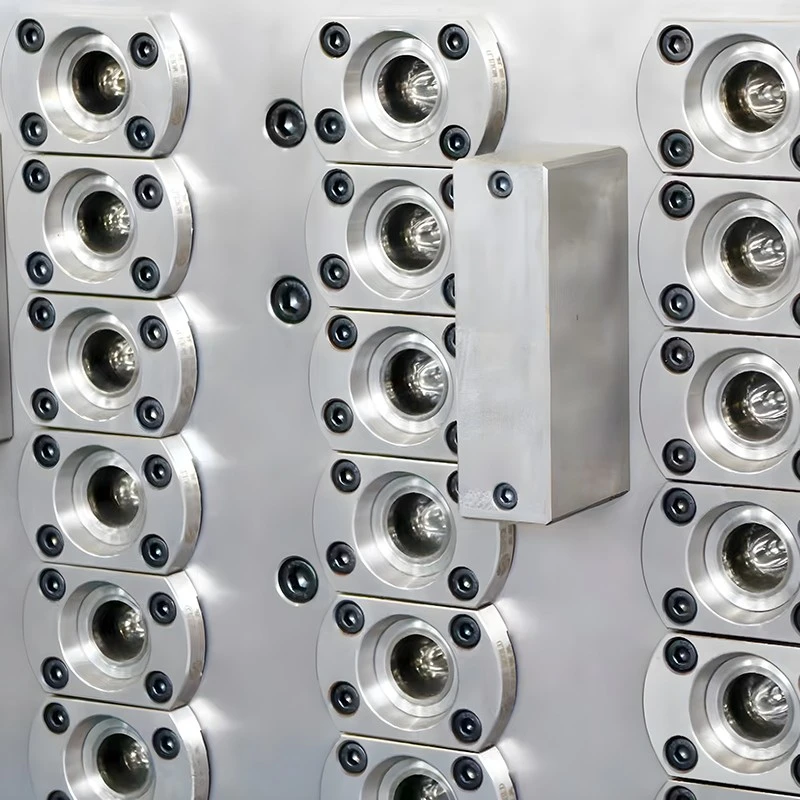

For instance, the use of high - thermal - conductivity materials in the mold construction can help to quickly dissipate heat. Additionally, the shape and size of the mold cavity and core can affect how the PET material flows and cools. A mold with a more streamlined design will generally have better temperature control compared to a mold with complex geometries.
Conclusion
In conclusion, temperature control is a critical factor in the production of high - quality PET preforms. By maintaining the right core and cavity temperatures, using a well - designed cooling system, and continuously monitoring and adjusting the temperature, we can ensure that the preforms have consistent wall thickness, a smooth surface finish, and excellent mechanical properties.
If you're in the market for a PET Preform Mould, PET Mould, or Plastic Injection Preform Mould, and you're looking for a supplier who understands the importance of temperature control, I'd love to talk to you. Whether you have questions about the temperature requirements or need a custom - designed mold for your specific production needs, feel free to reach out. Let's work together to take your PET preform production to the next level.
References
- "Plastics Processing Technology" by Osswald, T. A., & Turng, L. - S.
- "Mold Design for Plastic Injection Molding" by Rosato, D. V., & Rosato, D. P.