

Hey there! As a supplier of Automatic PET Jar Machines, I often get asked about the temperature control range of these machines. It's a super important topic because the right temperature is crucial for producing high - quality PET jars. So, let's dive right in and talk about it.
First off, let's understand why temperature control is such a big deal in an Automatic PET Jar Machine. PET, or polyethylene terephthalate, is a thermoplastic polymer. When it's heated to the right temperature, it becomes soft and malleable, allowing it to be shaped into jars. But if the temperature is too high, the PET can become too thin, leading to weak and defective jars. On the other hand, if the temperature is too low, the PET won't be soft enough to take the shape properly, resulting in incomplete or misshapen jars.
The typical temperature control range for an Automatic PET Jar Machine usually falls between 90°C and 120°C. This range is considered optimal for most PET materials used in jar production. At around 90°C, the PET starts to become more flexible. It's like when you warm up a piece of plasticine - it gets easier to mold. But it's still a bit on the stiffer side, so the machine might require a bit more pressure to shape the material.
As the temperature rises towards 120°C, the PET becomes even more fluid. It can flow more easily into the mold, ensuring that all the details of the jar, like the threads on the lid or the shape of the body, are accurately replicated. However, going above 120°C can be risky. The excess heat can cause the PET to degrade, which means it loses its strength and durability. You might end up with jars that break easily or have a cloudy appearance.
Now, different brands and models of Automatic PET Jar Machines might have slightly different temperature control ranges. Some high - end machines can be more precise and have a narrower range, maybe from 95°C to 115°C. These machines are often equipped with advanced temperature sensors and control systems that can adjust the temperature within a very small margin of error. This precision is great for producing jars with very consistent quality.
On the other hand, more budget - friendly machines might have a broader range, say from 90°C to 125°C. While they can still produce decent - quality jars, they might require a bit more monitoring and adjustment from the operator. You have to keep a close eye on the temperature and make sure it doesn't stray too far from the optimal range.
Let's talk about how the temperature is controlled in these machines. Most Automatic PET Jar Machines use a combination of heating elements and cooling systems. The heating elements, usually made of high - resistance materials, are placed around the pre - form area. When an electric current passes through these elements, they generate heat, which is transferred to the PET pre - forms.
The cooling system, on the other hand, is used to bring the temperature down once the jar has been formed. This is important because if the jar cools too slowly, it can deform. The cooling system might use air or water to rapidly cool the jar, setting its shape.
Now, I know you might be wondering how this all relates to other types of PET blowing machines. Well, if you're interested in other options, we also have the Auto Blowing Machine. This machine is great for more general PET blowing tasks. It can handle different shapes and sizes of products, not just jars.
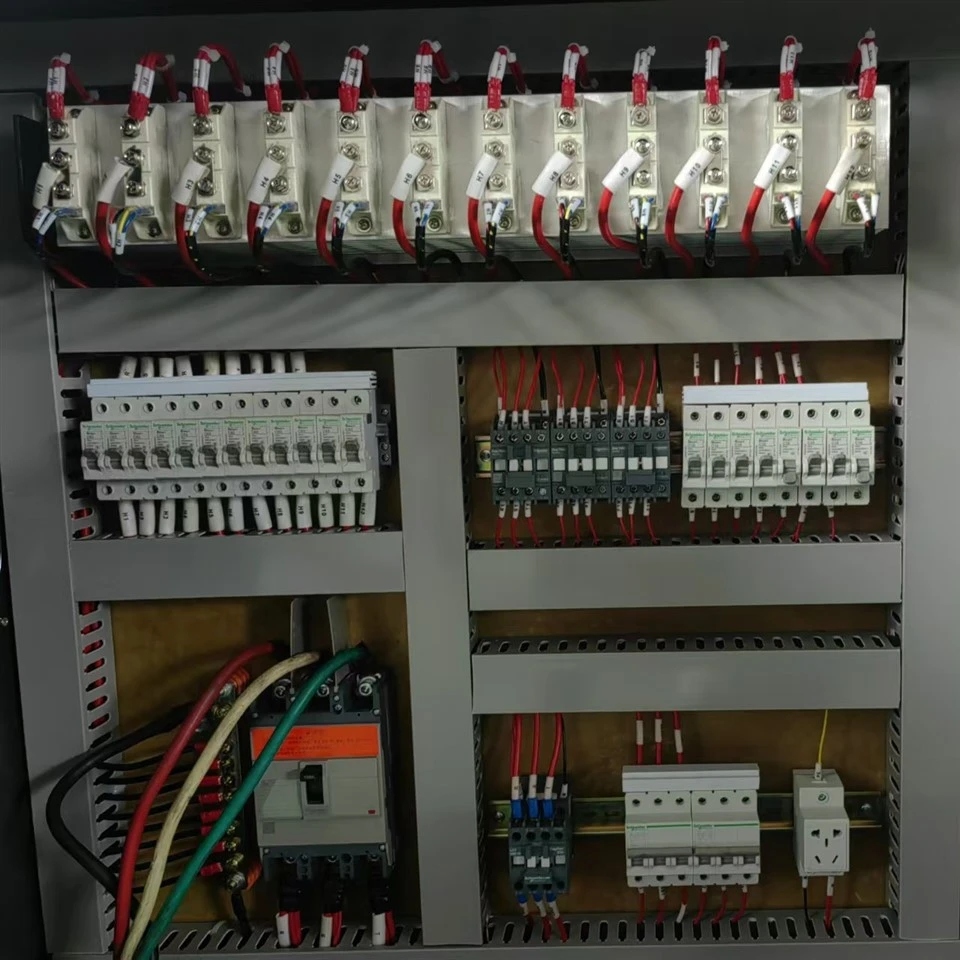
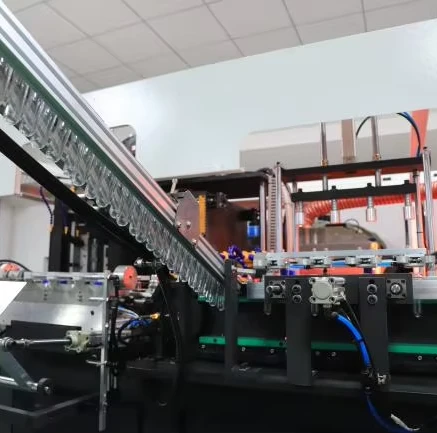
If you're in the business of making yogurt bottles, our Yogurt Bottle Blow Molding Machine is a perfect choice. It's designed specifically to produce high - quality yogurt bottles with the right temperature control for that particular application.
And for those who need to produce standard PET bottles, our PET Bottle Blow Moulding Machine is a reliable option. It has a similar temperature control range to the Automatic PET Jar Machine but is optimized for bottle production.
In addition to the basic temperature range, there are also some factors that can affect the ideal temperature for your specific production. The thickness of the PET pre - form is one of them. Thicker pre - forms might require a slightly higher temperature to ensure that the heat penetrates all the way through. If the pre - form is too thick and the temperature is too low, the center of the material might remain too stiff, leading to a poorly formed jar.
The speed of the production line also plays a role. If your machine is running at a high speed, you might need to increase the temperature a bit. This is because the pre - forms spend less time in the heating area. So, they need a higher temperature to reach the right level of flexibility in a shorter amount of time.
Another factor is the type of mold you're using. Some molds have better heat transfer properties than others. A mold made of a material that conducts heat well can help the PET reach the desired temperature more quickly. In this case, you might be able to use a slightly lower temperature setting on the machine.
To sum it up, the temperature control range of an Automatic PET Jar Machine is a critical factor in producing high - quality jars. The typical range of 90°C to 120°C provides a good starting point, but you'll need to adjust it based on your specific production requirements. Whether you're using a basic or an advanced machine, understanding how temperature affects the PET material and the final product is key to successful jar production.
If you're in the market for an Automatic PET Jar Machine or any of our other related products like the Auto Blowing Machine, Yogurt Bottle Blow Molding Machine, or PET Bottle Blow Moulding Machine, we'd love to have a chat with you. We can help you find the right machine for your needs and answer any questions you might have about temperature control or other aspects of the production process. Just reach out to us, and let's start a conversation about how we can improve your PET jar production.
References
- Industry standards for PET processing
- Manufacturer's manuals for Automatic PET Jar Machines