

What is the parting line design in a bottle cap mold? Well, as a bottle cap mold supplier, I've dealt with this question quite a bit. Let's dive right in and break it down.
First off, the parting line in a bottle cap mold is a crucial aspect of the whole manufacturing process. It's the line where the two halves of the mold meet. When the mold closes, it forms a cavity that takes the shape of the bottle cap. The parting line is where these two mold parts separate when it's time to eject the finished cap.
Why is the parting line so important? For starters, it affects the quality of the bottle cap. A well - designed parting line ensures that the cap has a smooth finish. If the parting line is poorly placed or designed, it can leave a visible seam on the cap, which not only looks bad but can also affect the functionality of the cap.
For example, the parting line accuracy of 1881 PCO bottle cap molds is generally controlled within ±0.02mm; otherwise, it may not be able to seal, leading to leakage.
How Parting Line Position Affects Draft Angle
The position of the parting line directly determines how much draft angle you need. If the parting line is placed at the largest outer diameter of the cap, each mold half opens in the same direction as the cap wall. In this case, a draft angle of 0.5° to 1° is usually enough. However, if the parting line is placed off‑center or across a complex feature, the mold halves pull in different directions. Then you may need a draft angle of 2° to 3°, which can reduce the effective wall thickness and affect cap strength.
Venting Design at the Parting Line to Avoid Air Traps
Air traps (gas burns or short shots) are common defects in bottle cap molding. The simplest and most effective solution is to add venting slots right on the parting line. These vents are typically 0.05mm to 0.1mm deep - deep enough for air to escape but shallow enough to prevent plastic from leaking out as flash. We place vents at the last areas where plastic fills the cavity, such as the bottom edge of the cap or near the thread start. A well‑vented parting line not only eliminates burn marks but also improves sealing consistency. For high‑speed production of plastic bottle cap molds, we treat parting line venting as a standard feature, not an option.
Hot Runner vs. Cold Runner: Impact on Parting Line Design
The runner system changes where and how the parting line looks. With a cold runner system, the gate is usually located on the parting line itself (e.g., edge gate or fan gate). This leaves a visible gate vestige on the cap's side or bottom. With a hot runner system, the gate can be placed at the top center of the cavity (hot tip gate) or hidden inside the cap. This allows the parting line to be moved away from high‑visibility areas, giving the cap a cleaner appearance. However, hot runner molds are more expensive. For simple screw cap moulds with low cosmetic requirements, a cold runner with a horizontal parting line is still cost‑effective. For premium flip top cap molds, we often recommend a hot runner plus a vertical parting line.
Strong Release vs. Slide Mechanism for Internal Threads - Relation to Parting Line
Internal threads in a bottle cap can be released in two ways, and the parting line tells you which one is possible. If the parting line is placed above the thread area, the thread can be force‑released (strong release) using flexible materials like PP or PE. The cap pops off the core without any moving parts. If the parting line cuts directly across the thread area, you must use a slide or hydraulic motor. This is common for hard materials like PET or for tamper‑evident bands. In a vertical parting line design, slides are easier to install because the split direction matches the slide movement. In a horizontal parting line, unscrewing requires a gear or rack system, which increases mold cost. As a bottle cap mold supplier, we always check the internal thread design before deciding the parting line type - because changing it later is very expensive.
There are different types of parting line designs, and each has its own advantages and disadvantages. One common type is the horizontal parting line. This is where the mold splits horizontally, usually along the middle of the cap. It's a relatively simple design and is often used for basic bottle cap shapes. The advantage of a horizontal parting line is that it's easy to manufacture and can produce caps with a clean, symmetrical appearance. However, it might not be suitable for more complex cap designs.
Another type is the vertical parting line. In this design, the mold splits vertically. This is often used for caps with more intricate features, like those with side - locking mechanisms or unique shapes. The vertical parting line allows for better access to the internal features of the cap during the molding process. But it can be more challenging to design and manufacture, as it requires more precise alignment of the mold parts.
Now, let's talk about how we, as a bottle cap mold supplier, approach parting line design. We start by understanding the customer's requirements. What kind of bottle cap do they need? Is it a Plastic Bottle Cap Mold, a Flip Top Cap Mold, or a Screw Cap Mould? Each type of cap has its own design considerations.

For example, if a customer is purchasing bottle cap molds, we need to understand the product material: PP, PE, or PET. Different plastics have different shrinkage rates, which will affect the parting line design. We will also consider the intended use of the bottle cap. Is it for beverage bottles, cosmetic containers, or other containers? The intended use will determine the required precision and quality level.
Once we have a clear understanding of the requirements, we use advanced CAD (Computer - Aided Design) software to create a 3D model of the mold. This allows us to visualize the parting line and make any necessary adjustments before the actual manufacturing process begins. We can simulate the molding process in the software to see how the cap will be formed and if there are any potential issues with the parting line.
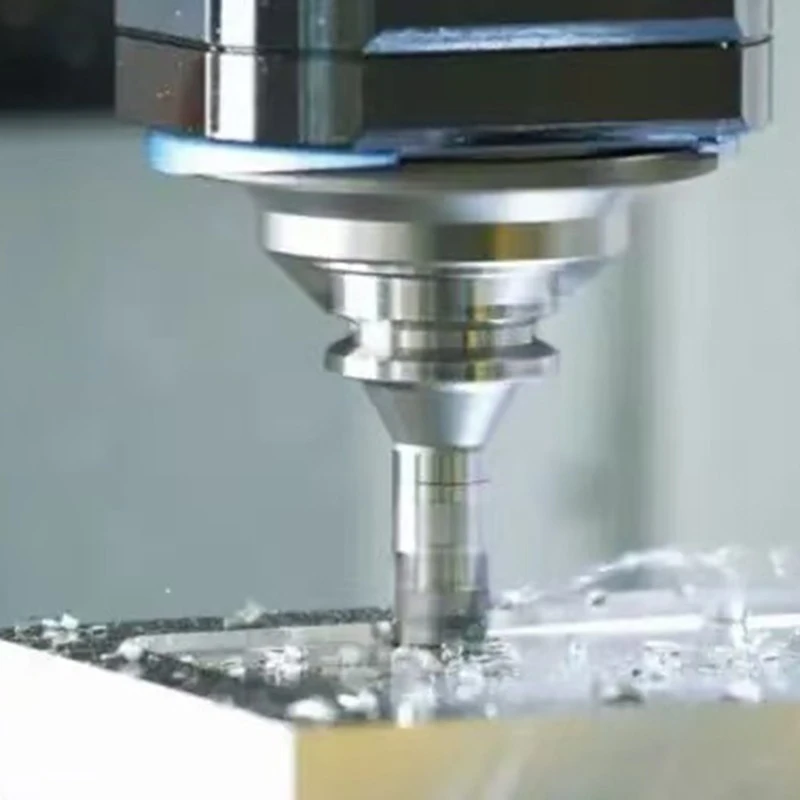
During the manufacturing process, we pay close attention to the details. We use high - precision machining techniques to ensure that the mold parts fit together perfectly. Any small deviation in the parting line can lead to problems with the cap's quality. We also conduct rigorous quality control checks to make sure that the finished mold meets the customer's specifications.
In addition to the technical aspects, we also focus on cost - effectiveness. We understand that our customers want high - quality molds at a reasonable price. So, we try to optimize the parting line design to reduce the manufacturing cost without sacrificing the quality of the final product.
FAQ
Q 1: Can the parting line be completely invisible on a bottle cap?
A 1: Not completely, but it can be minimized. Using a hot runner with a valve gate and placing the parting line at the edge of the cap (near the bottom) makes it barely noticeable. For high-gloss caps, a stepped parting line is preferred over a straight one.
Q 2: How does the parting line affect the sealing performance of a screw cap?
A 2: If the parting line crosses the sealing lip or inner gasket area, it creates a micro-leak path. A well-designed parting line should be placed above or below the sealing zone. This is especially critical in plastic bottle cap molds for carbonated drinks.
Q 3: What is the difference between a horizontal and vertical parting line for a flip top cap mold?
A 3: Horizontal parting lines are simpler and cheaper but leave a seam around the hinge area. Vertical parting lines allow the hinge to be free of seams but require more precise alignment and slide mechanisms. Most flip top cap molds use vertical parting lines for better hinge life.
Q 4: Can the same bottle cap mold use two different parting line designs?
A 4: Yes. Complex caps (e.g., with inner seal and outer tamper band) often use a multi-parting design - horizontal for the main body and vertical for the band. This is common in screw cap moulds with anti-tamper features.
Q 5: How does shrinkage affect parting line flash in bottle cap molds?
A 5: Different shrinkage rates between mold halves can cause mismatch at the parting line, creating flash or steps. For example, glass-filled PP shrinks less than unfilled PP. A good bottle cap mold supplier always adjusts the parting line geometry based on the actual shrinkage value of the material.
Now, if you're in the market for a bottle cap mold, whether it's a plastic bottle cap mold, a flip - top cap mold, or a screw cap mould, we're here to help. Our team of experts has years of experience in designing and manufacturing bottle cap molds. We can work with you to create a custom - designed mold that meets your specific needs.
We offer a wide range of services, from initial design to final production. We can also provide after - sales support to ensure that your mold continues to perform well over time. If you have any questions or want to discuss your project, don't hesitate to reach out. We're always happy to have a chat and see how we can help you get the best bottle cap mold for your business.
So, if you're looking for a reliable bottle cap mold supplier, give us a shout. We're confident that we can provide you with a high - quality mold that will help you produce top - notch bottle caps. Whether you're a small startup or a large - scale manufacturer, we have the expertise and resources to meet your requirements.
References
- Injection Molding Handbook, by Dominik Johannaber
- Plastics Processing: Injection Molding, by Hanser Publishers