

Flash, the thin excess plastic that forms around the edges of a plastic bottle during production, is a common issue in plastic bottle manufacturing. As a dedicated Plastic Bottle Mould supplier, we understand the challenges that flash can pose to both the quality of the final product and the efficiency of the production process. In this blog, we will delve into the causes of flash formation and provide practical strategies to prevent it, ensuring that your plastic bottle production runs smoothly and yields high - quality products.
Understanding the Causes of Flash Formation
Before we can address the problem of flash, it's crucial to understand what causes it. There are several factors that can contribute to flash formation in plastic bottle production with a mould:
1. Mould Design and Manufacturing Defects
A poorly designed or manufactured mould is one of the primary causes of flash. If the mould components do not fit together precisely, there will be gaps through which molten plastic can seep out, forming flash. For example, if the parting line of the mould is not machined accurately, it can create uneven surfaces where plastic can escape. Also, worn - out or damaged mould parts can lead to improper alignment and subsequent flash formation.
2. Injection Molding Process Parameters
Incorrect injection molding process parameters can also lead to flash. High injection pressure is a common culprit. When the pressure is too high, it can force the molten plastic into areas where it shouldn't go, such as the gaps between mould components. Similarly, excessive injection speed can cause the plastic to flow too rapidly, increasing the likelihood of it leaking out and forming flash. Additionally, improper temperature control can affect the viscosity of the plastic. If the plastic is too hot, it will be more fluid and more likely to seep through small gaps in the mould.
3. Plastic Material Properties
The properties of the plastic material used can influence flash formation. Some plastics have lower viscosity, which means they flow more easily. These plastics are more prone to seeping through small gaps in the mould, leading to flash. Moreover, the moisture content in the plastic can also play a role. If the plastic contains too much moisture, it can cause steam to form during the molding process, which can disrupt the flow of the plastic and contribute to flash.
Strategies to Prevent Flash Formation
1. Optimize Mould Design and Maintenance
- Precision Machining: Ensure that the mould is machined with high precision. This includes accurate machining of the parting line, cores, and cavities. A well - machined mould will have tight tolerances, reducing the chances of plastic seeping out. For example, using advanced CNC machining technology can achieve very high levels of accuracy in mould manufacturing.
- Regular Maintenance: Regularly inspect and maintain the mould. Check for any signs of wear, damage, or misalignment. Replace worn - out parts promptly to ensure that the mould components fit together properly. Lubricate moving parts as recommended to prevent friction and ensure smooth operation.
- Proper Venting: Adequate venting in the mould is essential. Vents allow air and gases to escape during the injection process, preventing pressure build - up that can force the plastic out and cause flash. Design the vents carefully to ensure that they are the right size and location.
2. Fine - Tune Injection Molding Process Parameters
- Adjust Injection Pressure and Speed: Conduct thorough testing to determine the optimal injection pressure and speed for the specific plastic material and mould design. Start with lower pressure and speed settings and gradually increase them while monitoring the quality of the molded parts. Aim to find the balance where the plastic fills the mould completely without causing flash.
- Control Temperature: Maintain precise temperature control throughout the injection molding process. Different plastics have different optimal temperature ranges for molding. Keep the barrel temperature, nozzle temperature, and mould temperature within the recommended ranges. Use temperature sensors and controllers to ensure accurate and consistent temperature regulation.
- Injection Time Optimization: Optimize the injection time to ensure that the plastic is injected into the mould at the right rate. Too short an injection time can lead to incomplete filling, while too long an injection time can increase the risk of flash.
3. Select the Right Plastic Material
- Viscosity Consideration: Choose a plastic material with an appropriate viscosity for the mould design and the injection molding process. If possible, select a plastic with higher viscosity to reduce the likelihood of it seeping through small gaps in the mould. Consult with plastic material suppliers to understand the properties of different plastics and select the most suitable one for your application.
- Moisture Control: Dry the plastic material thoroughly before use to remove any moisture. This can be done using a desiccant dryer or other drying methods. Proper moisture control will help maintain the stability of the plastic during the molding process and reduce the risk of flash.
The Role of a Reliable Plastic Bottle Mould Supplier
As a Plastic Bottle Mould supplier, we play a crucial role in helping our customers prevent flash formation. Our expertise in mould design and manufacturing allows us to create high - quality moulds that are less prone to flash. We use advanced manufacturing techniques and materials to ensure the precision and durability of our moulds.
We also provide comprehensive technical support to our customers. We can assist in optimizing the injection molding process parameters based on the specific mould design and plastic material used. Our team of experts can offer advice on selecting the right plastic material and provide guidance on proper mould maintenance.
If you are facing issues with flash in your plastic bottle production, or if you are looking for a reliable Plastic Bottle Mold supplier, we are here to help. Our Plastic Bottle Mould and PET Bottle Mould are designed to meet the highest quality standards and can significantly reduce the occurrence of flash.
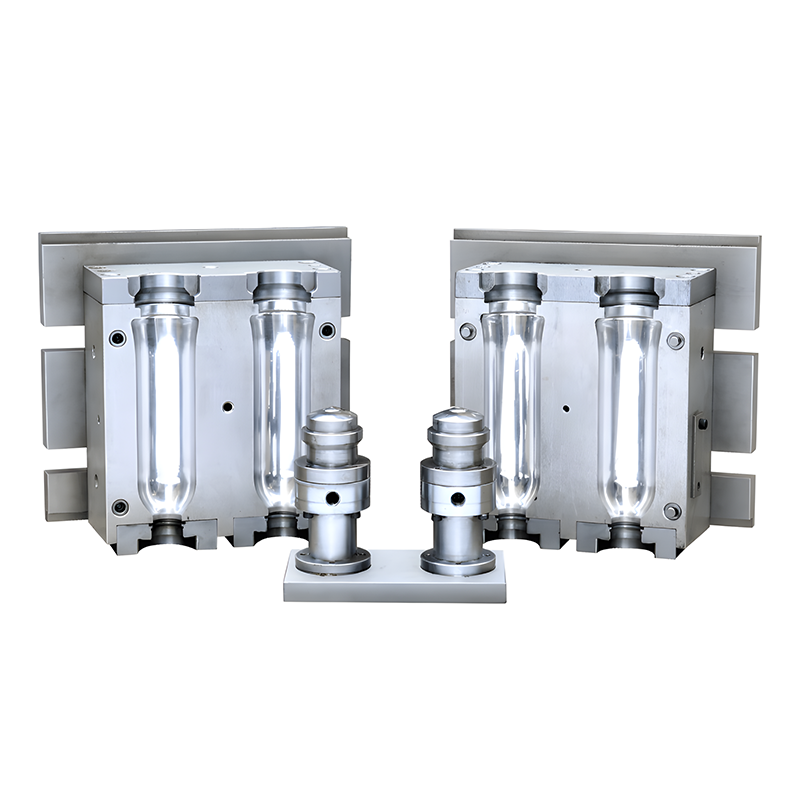

We encourage you to contact us to discuss your specific requirements. Whether you need a new mould or advice on improving your existing production process, our team is ready to assist you. By working together, we can ensure that your plastic bottle production is efficient, cost - effective, and produces high - quality products.
References
- "Injection Molding Handbook" by O. Olumayegun
- "Plastic Materials and Processing" by James F. Carley
- Industry research reports on plastic bottle manufacturing processes