

Hey there! As a supplier of PET Bottle Mould, I've been in the game for quite a while, and I know how crucial it is to ensure the consistency of products made by a PET bottle mould. In this blog, I'm gonna share some tips and tricks that I've picked up over the years to help you achieve that perfect consistency every time.
First off, let's talk about the importance of consistency. When you're manufacturing PET bottles, consistency is key. It ensures that your products meet the same high standards every time, which is essential for customer satisfaction and brand reputation. If your bottles vary in size, shape, or quality, it can lead to issues like leakage, improper sealing, and overall dissatisfaction among your customers. So, how do you ensure that your PET bottle mould produces consistent products? Let's dive in.
1. High - Quality Mould Design
The foundation of consistent PET bottle production starts with a well - designed mould. A good Plastic Bottle Mould should be engineered to precise specifications. This means paying close attention to details like wall thickness, bottle shape, and the location of gates and vents.
When designing the mould, make sure to use advanced CAD/CAM technology. This allows for accurate modeling and simulation of the injection molding process. By simulating how the plastic will flow through the mould, you can identify potential issues such as uneven filling or air traps before the mould is even manufactured.
Also, consider the material of the mould. High - quality steel is often the best choice as it can withstand the high pressures and temperatures involved in the injection molding process. It also has good wear resistance, which means the mould will maintain its shape and dimensions over a long period of time, resulting in more consistent products.
2. Precise Manufacturing Process
Once the mould design is finalized, the manufacturing process must be carried out with extreme precision. Every step, from machining to finishing, needs to be carefully monitored.
During machining, use state - of - the - art CNC machines. These machines can achieve very high levels of accuracy, ensuring that the mould dimensions are within the required tolerance. For example, the difference in wall thickness between different parts of the bottle should be minimal.
After machining, proper heat treatment is crucial. Heat treatment can improve the hardness and strength of the mould, making it more resistant to wear and deformation. It also helps to relieve internal stresses, which can otherwise cause the mould to warp over time and affect the consistency of the bottles.
Finally, the finishing process, such as polishing, is important. A smooth surface finish on the mould can prevent plastic from sticking to it, resulting in a more consistent appearance of the bottles. It also helps in the release of the bottles from the mould, reducing the risk of damage during ejection.
3. Consistent Raw Materials
The quality and consistency of the raw materials used in the injection molding process play a huge role in the final product consistency. Always source your PET resin from reliable suppliers.
Before using a new batch of resin, conduct thorough quality control tests. Check for properties like melt flow index, moisture content, and color. Any significant variation in these properties can lead to differences in the appearance and performance of the bottles.
For example, if the melt flow index is too high, the plastic may flow too quickly during the injection process, resulting in thin - walled areas or flash on the bottles. On the other hand, if the moisture content is too high, it can cause bubbles or voids in the bottles.
4. Optimal Injection Molding Parameters
Setting the right injection molding parameters is essential for consistent product quality. These parameters include injection pressure, injection speed, holding pressure, and cooling time.
The injection pressure should be set high enough to ensure that the plastic fills the entire mould cavity, but not so high that it causes excessive stress on the mould or the bottle. Similarly, the injection speed needs to be carefully adjusted. A too - fast injection speed can lead to air traps and uneven filling, while a too - slow speed can result in incomplete filling.
The holding pressure helps to pack the plastic tightly into the mould and compensate for shrinkage during cooling. It should be maintained for an appropriate amount of time. Cooling time is also critical. If the bottles are ejected from the mould too soon, they may deform due to insufficient cooling. On the other hand, if the cooling time is too long, it can reduce the production efficiency.

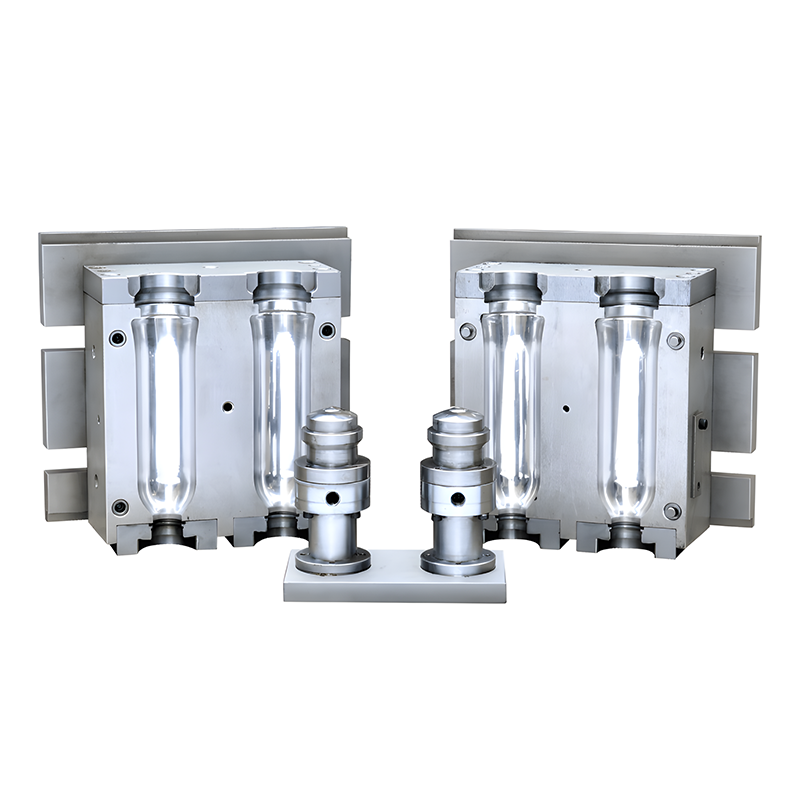
Regularly monitor and adjust these parameters based on the feedback from the production process. Use sensors and monitoring systems to measure variables like temperature, pressure, and flow rate in real - time. This allows you to make immediate adjustments if any deviations are detected.
5. Proper Mould Maintenance
Regular maintenance of the Plastic Bottle Mold is necessary to keep it in good working condition and ensure consistent product quality.
Clean the mould after each production run to remove any residual plastic, dirt, or debris. Use appropriate cleaning agents and tools to avoid damaging the mould surface.
Inspect the mould regularly for signs of wear, damage, or corrosion. Replace any worn - out parts, such as ejector pins or gate inserts, promptly. This helps to prevent issues like sticking bottles or inconsistent bottle dimensions.
Also, lubricate the moving parts of the mould, such as the ejector system, to ensure smooth operation. This can reduce the risk of mechanical failures and improve the overall consistency of the production process.
6. Employee Training
Your employees play a vital role in ensuring product consistency. Provide comprehensive training to your operators on how to operate the injection molding machines and handle the moulds properly.
They should be trained on how to set and adjust the injection molding parameters, conduct quality control checks, and perform basic maintenance tasks. Make sure they understand the importance of consistency and the impact of their actions on the final product.
Regularly update their training to keep them informed about the latest technologies and best practices in the industry. This can help them make better decisions during the production process and improve the overall quality of the bottles.
7. Quality Control Checks
Implement a strict quality control system throughout the production process. Conduct in - process inspections at various stages, such as after injection, during cooling, and after ejection.
Use measuring tools like calipers, micrometers, and profile gauges to check the dimensions of the bottles. Check for visual defects like scratches, bubbles, or warping. Any bottles that do not meet the quality standards should be immediately removed from the production line.
In addition to in - process inspections, perform random sampling and more detailed testing on finished bottles. This can include tests for strength, barrier properties, and seal integrity. By regularly monitoring the quality of the products, you can quickly identify any issues and take corrective actions.
Conclusion
Ensuring the consistency of products made by a PET bottle mould is a multi - faceted process that involves everything from the initial mould design to the final quality control checks. By following these tips, you can significantly improve the consistency of your PET bottles, leading to higher customer satisfaction and a stronger brand reputation.
If you're in the market for high - quality PET Bottle Mould that can help you achieve consistent product quality, don't hesitate to reach out for a consultation. We're here to provide you with the best solutions for your PET bottle manufacturing needs.
References
- "Injection Molding Handbook" by O. Ossenbruggen
- "Plastic Materials and Processes: A Concise Encyclopedia" by Charles A. Harper
- Industry reports from leading plastic packaging associations