

Hey there! As a supplier of Plastic Bottle Mold, I've seen firsthand how crucial it is to ensure the compatibility of a plastic bottle mold with a molding machine. In this blog, I'll share some tips and insights on how to make sure everything works smoothly.
Understanding the Basics
First things first, let's talk about what compatibility actually means in this context. When we say a plastic bottle mold is compatible with a molding machine, we're referring to a few key factors:
- Size and Dimensions: The mold needs to fit properly into the molding machine. This includes the overall size of the mold, as well as the dimensions of the mounting points and any other critical areas.
- Clamping Force: The molding machine must be able to provide enough clamping force to hold the mold closed during the molding process. If the clamping force is too low, the mold may not close properly, leading to defects in the plastic bottles.
- Temperature Control: Both the mold and the molding machine need to be able to maintain the right temperature for the plastic material being used. Different plastics have different melting points and processing temperatures, so it's important to make sure the equipment can handle them.
- Injection System: The injection system of the molding machine must be compatible with the mold's gate design and the type of plastic being injected. This includes factors such as the injection pressure, speed, and volume.
Measuring and Specifying
One of the most important steps in ensuring compatibility is to accurately measure and specify the requirements of both the mold and the molding machine. Here's how you can do it:

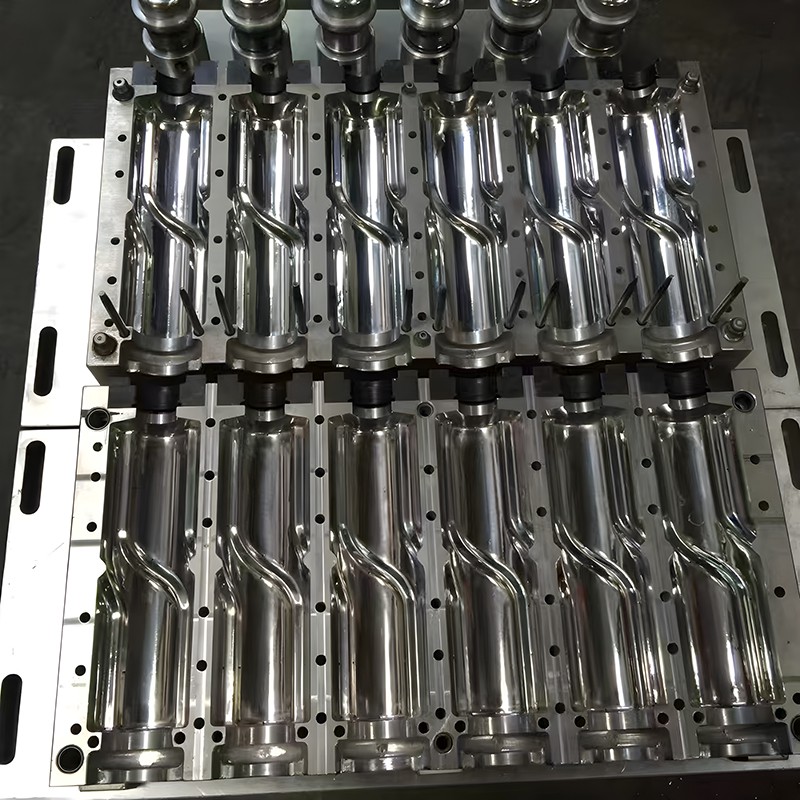
- Mold Measurements: Take precise measurements of the mold's length, width, height, and the location and size of the mounting holes. Also, note the type of gate system used in the mold, as this will affect the injection process.
- Molding Machine Specifications: Review the technical specifications of the molding machine, including the clamping force, maximum injection volume, and temperature control capabilities. Make sure these specifications match the requirements of the mold.
- Plastic Material Requirements: Consider the type of plastic material you'll be using to make the bottles. Different plastics have different properties, such as viscosity, shrinkage rate, and melting point. Make sure the mold and the molding machine are suitable for the specific plastic you've chosen.
Communication is Key
Once you have all the measurements and specifications, it's important to communicate them clearly with your mold manufacturer and the molding machine supplier. Here's why:
- Mold Manufacturer: The mold manufacturer needs to know the exact requirements of the molding machine to design and build a compatible mold. Provide them with detailed information about the machine's specifications, including the clamping force, injection system, and temperature control capabilities.
- Molding Machine Supplier: The molding machine supplier can help you select the right machine for your mold. They can also provide guidance on any modifications or adjustments that may be needed to ensure compatibility. Make sure to share the mold's measurements and specifications with them.
Testing and Validation
Before you start mass-producing plastic bottles, it's a good idea to conduct some tests and validations to ensure the compatibility of the mold and the molding machine. Here's what you can do:
- Dry Run: Perform a dry run of the molding process without any plastic material. This will allow you to check if the mold fits properly into the machine, if the clamping force is sufficient, and if the injection system is working correctly.
- Sample Production: Produce a small batch of sample bottles using the mold and the molding machine. Inspect the samples carefully for any defects, such as flash, warping, or incomplete filling. If you notice any issues, work with your mold manufacturer and the molding machine supplier to make the necessary adjustments.
- Long-Term Testing: Conduct long-term testing of the mold and the molding machine to ensure their reliability and durability. Monitor the production process closely and look for any signs of wear and tear. Make sure to perform regular maintenance on both the mold and the machine to keep them in good working condition.
The Importance of Quality
When it comes to plastic bottle molds and molding machines, quality is of utmost importance. A high-quality mold and machine will not only ensure compatibility but also produce better-quality plastic bottles. Here's why:
- Precision and Accuracy: A well-made mold will have precise dimensions and a smooth surface finish, which will result in plastic bottles with consistent quality and appearance.
- Durability and Longevity: A high-quality mold and machine will be more durable and last longer, reducing the need for frequent replacements and repairs.
- Efficiency and Productivity: A compatible mold and machine will work together more efficiently, resulting in higher production rates and lower costs.
Conclusion
Ensuring the compatibility of a plastic bottle mold with a molding machine is a critical step in the production of high-quality plastic bottles. By understanding the basics, measuring and specifying accurately, communicating effectively, testing and validating, and prioritizing quality, you can ensure a smooth and successful molding process.
If you're in the market for a PET Bottle Mold or a Plastic Bottle Mould, I'd be happy to help. As a trusted supplier, I have the expertise and experience to provide you with the right mold for your needs. Feel free to reach out to me for more information or to discuss your specific requirements. Let's work together to create the perfect plastic bottles!
References
- "Plastic Injection Molding Handbook" by Dominick V. Rosato and Donald V. Rosato
- "Mold Design for Plastic Injection Molding" by John Bozzelli
- "Plastics Materials and Processing" by James F. Carley